
Onimusha: Way of the Sword – A Refreshing Departure from the Soulslike Dominance in Modern Gaming









Popular Now
 Counter-Strike 2
 Fall Guys
 Among Us
 Call of Duty
 The Legend of Zelda
 Roblox
 EA SPORT FC 25
 Gacha Club
 League of Legends
 Black Myth: Wukong
 Onimusha: Way of the Sword – A Refreshing Departure from the Soulslike Dominance in Modern Gaming
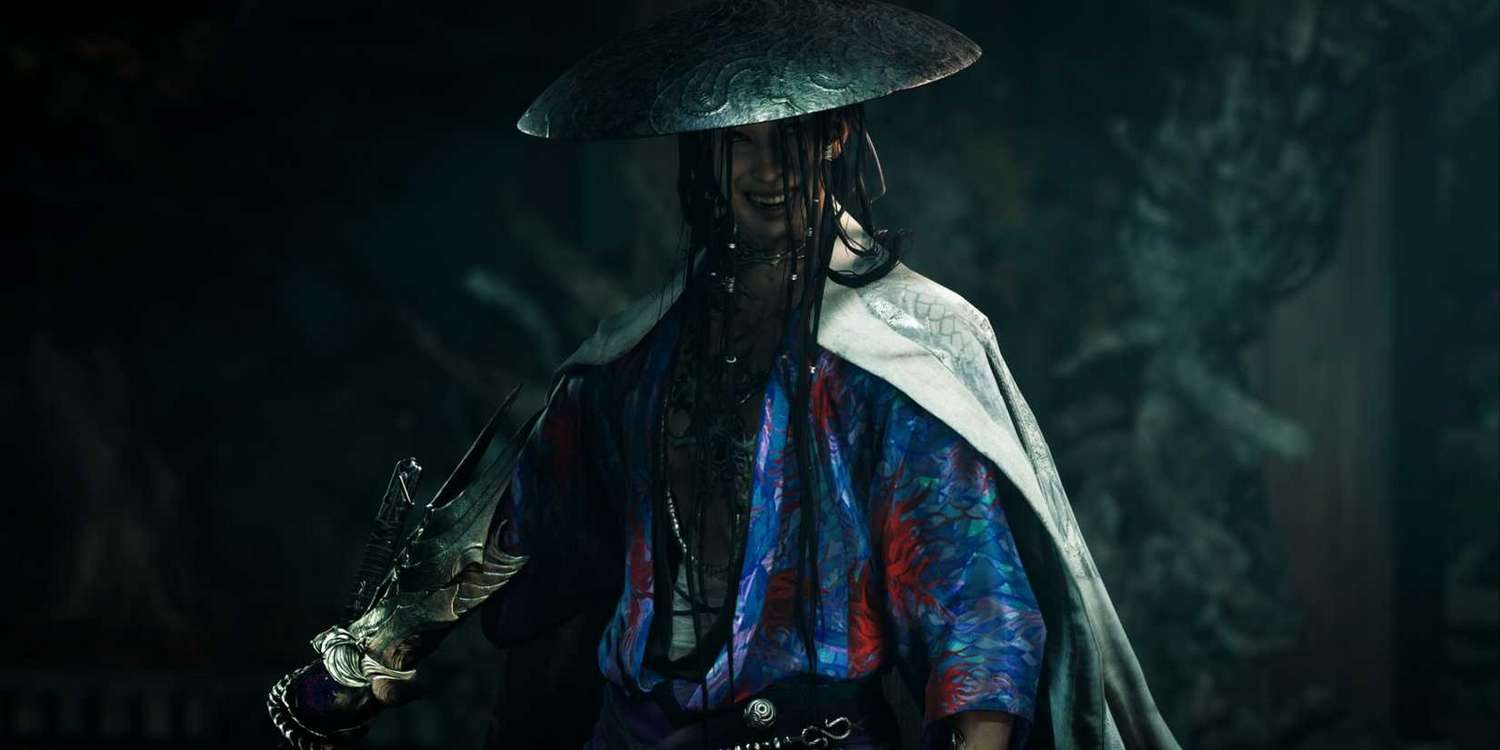
In an era where the gaming landscape is increasingly defined by the challenging and often punishing mechanics of the ‘Soulslike’ genre, the emergence of Onimusha: Way of the Sword offers a genuinely refreshing and welcome respite. As dedicated players and casual enthusiasts alike seek diverse gaming experiences, Capcom’s latest iteration in the revered Onimusha series masterfully carves its own path, distinguishing itself through a unique blend of strategic action, rich narrative, and accessible yet deeply rewarding combat. This title is not merely a nostalgia trip; it’s a bold statement for a different kind of action-adventure game, positioning itself as a vital alternative for those seeking high-stakes combat without the often-esoteric design philosophies of its contemporaries.
The current gaming market, particularly within the action RPG segment, has seen a proliferation of titles drawing heavy inspiration from FromSoftware’s foundational works. While these games provide unparalleled challenge and a distinct sense of accomplishment, their deliberate opacity, complex lore delivery, and often unforgiving difficulty can alienate a segment of players looking for a more direct and narrative-driven experience. Onimusha: Way of the Sword understands this nuanced demand, presenting a meticulously crafted experience rooted in Japanese feudal history and folklore, brimming with demonic adversaries and compelling samurai action.
The Core Philosophy: Precision Over Punishment
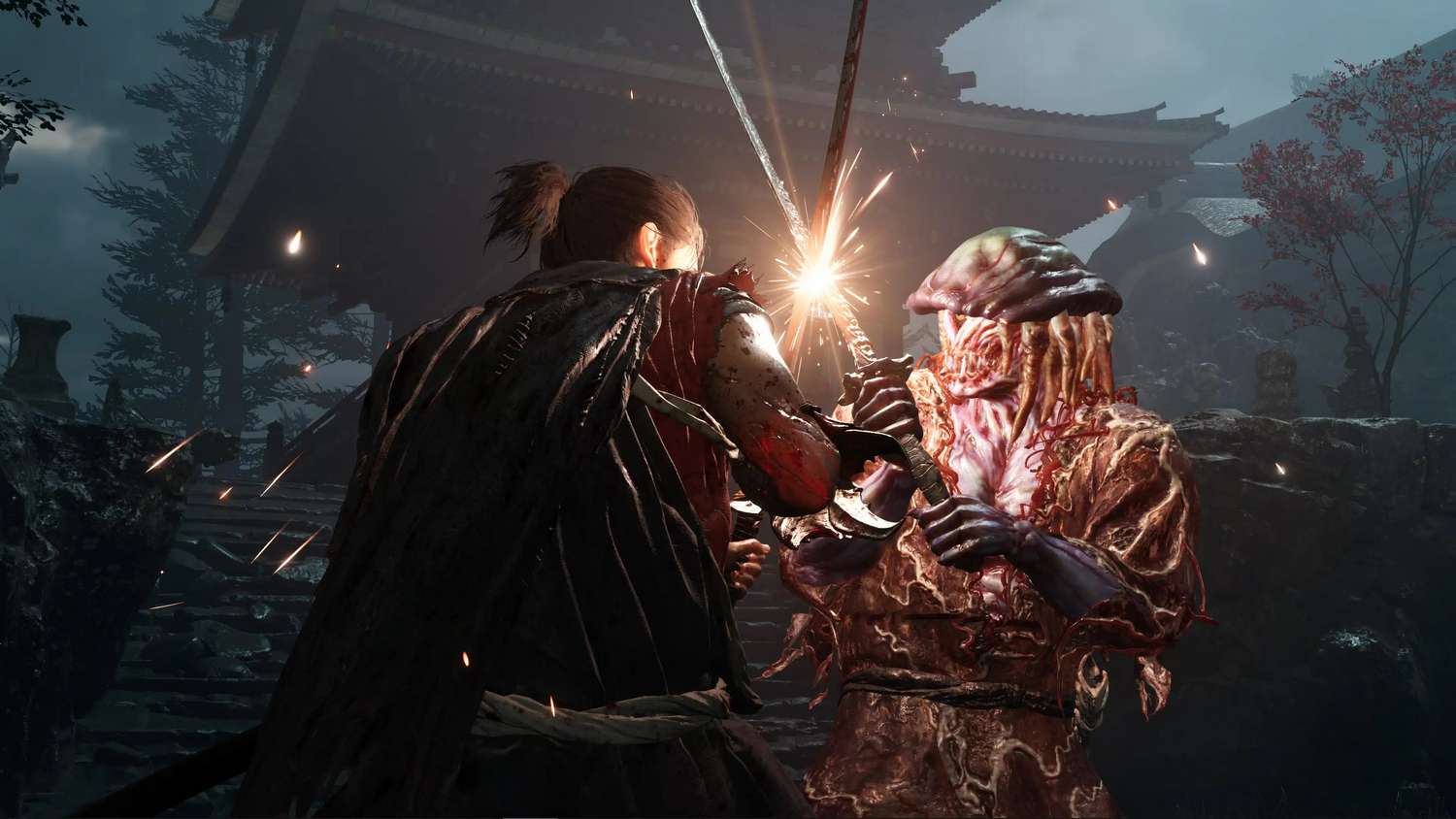
Unlike the trial-and-error approach often necessitated by Soulslike games, Onimusha: Way of the Sword places a premium on precise timing, tactical engagement, and mastery of a well-defined combat system. Players step into the shoes of a formidable samurai, armed with a variety of blades, elemental powers, and a signature absorbing mechanic that allows for both health regeneration and special attack replenishment. This system encourages aggressive yet calculated play, rewarding players for understanding enemy patterns and executing perfectly timed dodges and parries, known as ‘Issens’. The emphasis here is on skill acquisition within a structured framework, rather than continuous struggle against intentionally obscure mechanics.
The combat flow feels incredibly fluid and impactful. Each strike, block, and special ability carries weight, providing visceral feedback that makes every encounter feel significant. The diverse arsenal of weapons, each with its own unique moveset and elemental affinity, encourages experimentation and strategic planning before facing different types of Oni. This depth ensures longevity and replayability, offering varying combat styles to suit individual player preferences. Furthermore, the inclusion of magical abilities adds another layer to the strategic combat, allowing players to utilize devastating spells or enhance their physical attacks, crucial for overcoming formidable bosses and hordes of demonic foes.
Narrative Accessibility and Engaging Progression
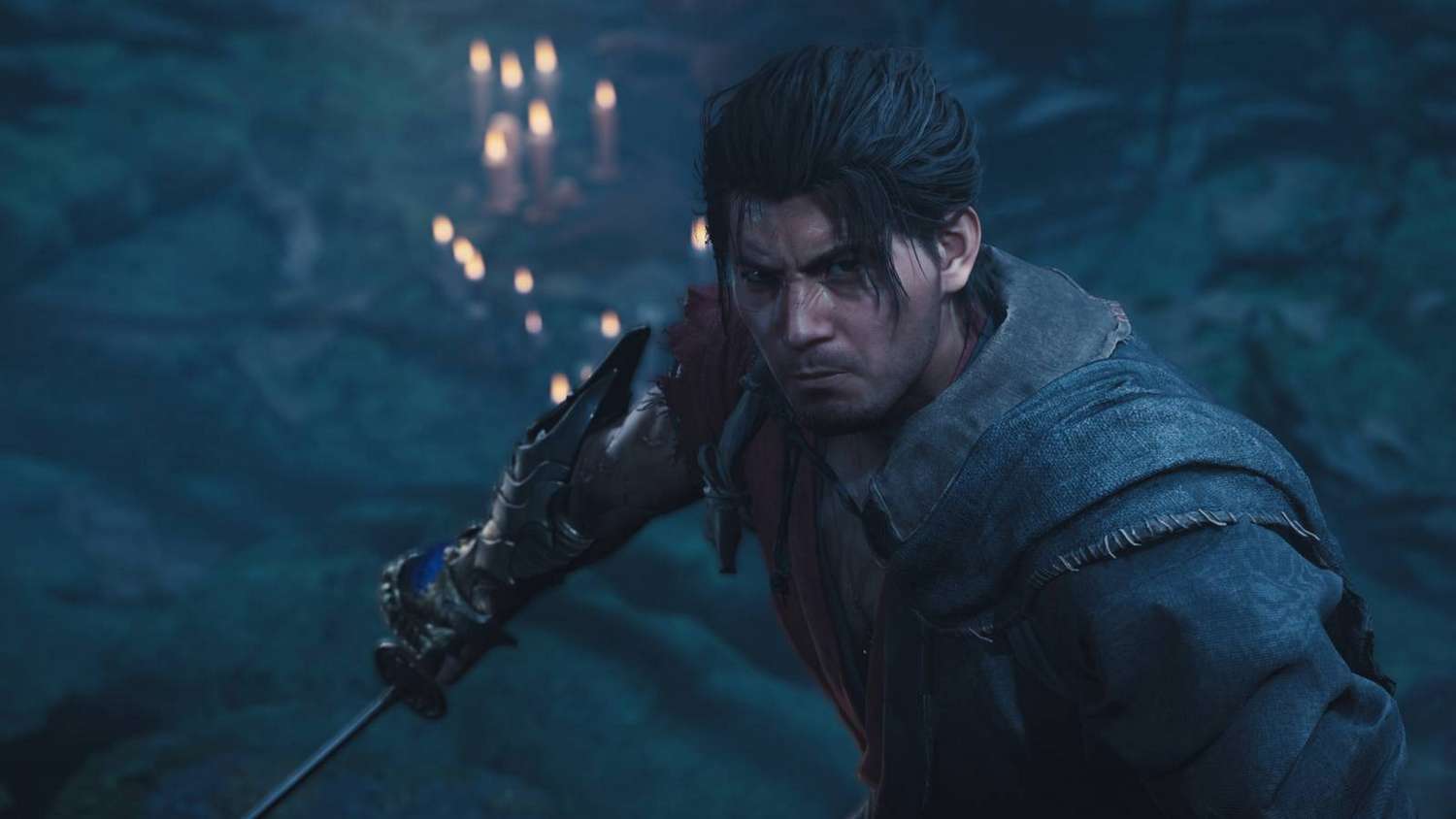
One of the most striking differences from the Soulslike genre is Onimusha: Way of the Sword’s commitment to a clear, engaging narrative. The story unfolds with purpose, guiding players through a meticulously designed world plagued by demonic invasion. Characters are well-defined, motivations are transparent, and the plot progression is straightforward without sacrificing depth. This approach allows players to become fully immersed in the epic struggle without constantly deciphering cryptic lore or piecing together fragmented environmental storytelling. It’s a testament to traditional storytelling done exceptionally well, proving that a compelling story can coexist with demanding action gameplay.
Player progression in Way of the Sword is also designed for clarity and impact. Rather than relying on nebulous stats or obscure item descriptions, players upgrade their weapons, armor, and abilities through a transparent system that directly correlates with their performance and exploration. Absorbing demon souls after defeating enemies is central to this, allowing players to enhance their chosen arsenal, unlock new techniques, and increase their inherent power. This tangible sense of growth and empowerment provides a strong incentive to continue exploring and engaging in combat, ensuring that every victory contributes meaningfully to the protagonist’s journey.
- Strategic Combat Depth: Focus on precise timing, parries, and elemental weapon mastery rather than brute force.
- Engaging Narrative: A clear, compelling story set in feudal Japan, easy to follow yet rich in lore.
- Accessible Progression: Transparent upgrade systems for weapons, armor, and abilities, directly tied to gameplay.
- Diverse Enemy Roster: A wide array of demonic adversaries requiring varied tactics and strategic approaches.
- Visually Stunning World: High-fidelity graphics bring feudal Japan and its demonic incursions to life with breathtaking detail.
- High-CPC Keywords: Game review, action RPG, new release, Capcom game, best action games 2024, buy video games online, gaming news, next-gen gaming, premium gaming experience, entertainment software.
Beyond Difficulty: A Focus on Mastery and Experience
While difficulty is a cornerstone of the Soulslike appeal, Onimusha: Way of the Sword demonstrates that a challenging experience doesn’t have to be defined solely by an elevated barrier to entry. The game offers significant challenges, particularly in its later stages and against its impressive boss encounters. However, these challenges are always fair, clearly telegraphed, and surmountable through practice, observation, and strategic application of skills learned throughout the game. It fosters a sense of genuine mastery rather than simply endurance. This design choice broadens its appeal significantly, inviting a wider audience to experience the thrill of demon slaying without the often steep learning curve associated with other titles.
The visual presentation is equally impressive, utilizing modern graphic fidelity to bring its feudal Japanese setting to life with stunning detail. From the intricate designs of samurai armor to the grotesque beauty of the demonic entities, every element is rendered with a high level of polish. The environmental design, encompassing ancient castles, haunted forests, and otherworldly dimensions, serves not only as a backdrop but as an integral part of the exploration and puzzle-solving elements that harken back to classic action-adventure titles. This attention to detail elevates the overall gaming experience, making it a truly immersive journey.
Conclusion: A Vital Contributor to Gaming Diversity
Onimusha: Way of the Sword stands as a powerful testament to the enduring appeal of traditional action-adventure principles, expertly modernized for contemporary audiences. It meticulously crafts a gaming experience that is both challenging and deeply satisfying, without resorting to the pervasive trends that dominate the current market. For players who appreciate precise combat, a strong narrative, transparent progression, and a world rich in atmosphere and lore—but who might find the deliberate obfuscation of Soulslike games less appealing—this title is an absolute must-play. It offers not just an alternative, but a compelling, high-quality, and richly rewarding path forward, reaffirming Capcom’s legacy in delivering groundbreaking and beloved action titles. In a world saturated with similar experiences, Onimusha: Way of the Sword is not just a game; it’s a statement about gaming diversity and a welcome return to form for a cherished franchise, solidifying its place as a top contender for the best action RPGs of the year and a critical highlight in gaming entertainment news.