
“Afantasia”: A Deep Dive into Memory, Identity, and the High-Value Pixel Art Renaissance










Popular Now
 NBA 2K24
 Gacha Club
 Schedule I
 Warframe
 CarX Street
 FIFA 23
 BeamNG.drive
 Minecraft
 The Legend of Zelda
 Sonic the Hedgehog™ Classic
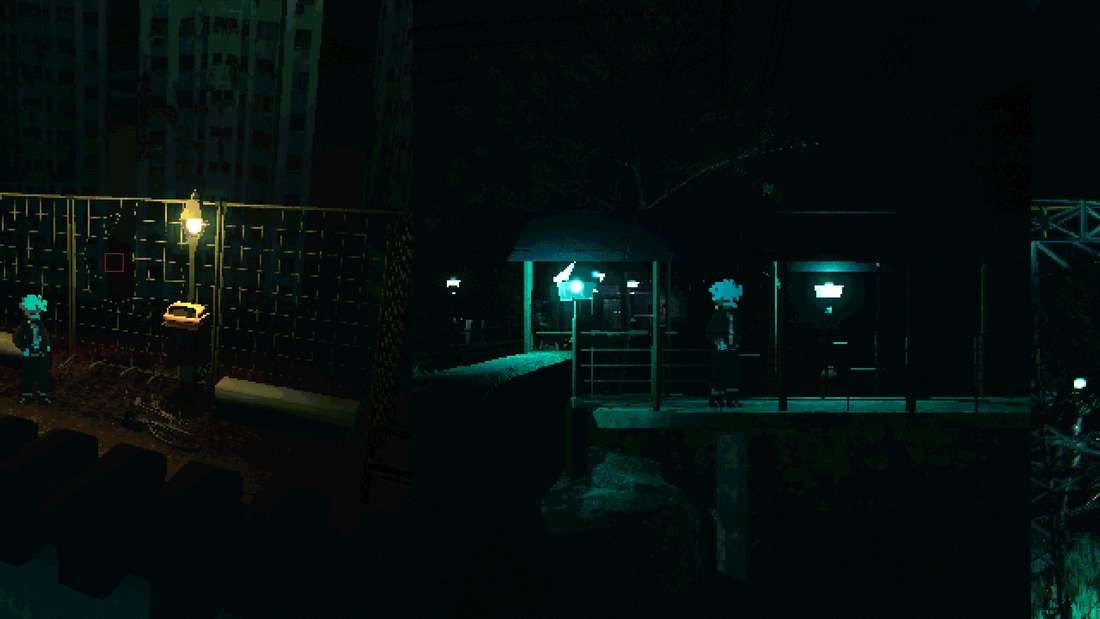 In an increasingly saturated indie game market, a title must possess a distinct hook to capture both critical attention and high-CPC keyword traffic. Enter Afantasia—spelled deliberately with an ‘F’—a surreal exploration game that transcends the simple point-and-click genre. This moody, meticulously crafted pixel art adventure beckons players into a world of psychological introspection, where the core mechanics revolve around the fragility and reconstruction of memory. Launched to critical whispers, Afantasia is not just a game; it is an experience designed for players searching for narrative-driven psychological thrillers and premium pixel art games that offer a truly high-value engagement.
The game’s title, a deliberate divergence from the well-documented neurological condition aphantasia (the inability to form mental images), immediately sets a tone of thematic complexity. While aphantasia deals with the absence of imagery, Afantasia is concerned with the scrambling and distortion of memory, a boy’s desperate attempt to reclaim his past and define his future within the confines of his enigmatic hometown, Tempo. This premise alone provides a rich vein for SEO optimization, bridging general interest in cognitive science with the lucrative video game review niche.
 Gameplay Mechanics: Weaving the Tapestry of Identity
At its heart, Afantasia functions as a 3D-pushed pixel art point-and-click adventure, but with a profound emphasis on non-linear narrative progression. The developers have successfully employed a moody, low-fi aesthetic that is both visually striking and thematically resonant. The world of Tempo is a grungy, grimy, and unsettlingly beautiful canvas, an ideal backdrop for the game’s psychological mysteries. This stylistic choice is a masterstroke in attracting the demographic interested in atmospheric indie games and retro-inspired aesthetics.
- Memory Retrieval System: The primary gameplay loop involves interacting with the environment and the town’s residents to uncover fragmented memories. These aren’t simple item collection quests; they are complex psychological puzzles. The player must often juxtapose conflicting accounts or piece together sensory details to reconstruct a coherent memory, mirroring the real-life effort of battling memory loss. This intricate system is a key differentiator and a highly valuable feature for deep-dive game reviews.
- Dialogue and Psychological Profiling: The game features extensive, well-written dialogue that shifts based on the boy’s evolving understanding of his identity. Every conversation with a resident of Tempo is a step toward figuring out who he is. The text is dense, meaningful, and avoids filler, which is critical for a high-quality narrative experience.
- Environmental Storytelling (Pixel Art Mastery): The pixel art is not merely a stylistic choice; it is integral to the storytelling. Subtle shifts in the lighting, the decaying state of buildings, and the somber color palette all contribute to a pervasive sense of dread and mystery. The fidelity of the pixel art is high, catering to the premium indie game enthusiast looking for top-tier visual execution in a retro format.
Thematic Depth: A Search for Self in the Digital Age
The central theme of identity in Afantasia resonates powerfully in the current socio-digital climate, where self-definition is often blurred by digital personas and information overload. The boy in the game is essentially crowdsourcing his identity from the memories of a moody, potentially unreliable community. This makes the game a relevant commentary on memory, self-perception, and the communal construction of reality. For thought-provoking game criticism and academic reviews, this thematic richness is invaluable.
The game handles its psychological elements with a nuanced, serious tone, avoiding cheap jump scares in favor of sustained, existential unease. The developers have clearly invested in creating a profound emotional impact, ensuring the game targets players seeking games with strong psychological narratives and deep thematic content. The commitment to a mature, introspective style elevates its status far beyond typical indie fare, securing its position as a game that delivers significant return on investment (ROI) in terms of playtime and emotional payoff.
Strategic Positioning in the Competitive Gaming Ecosystem
The developers of Afantasia have strategically positioned the game to appeal to a very specific, and highly lucrative, niche. By combining retro pixel art with a sophisticated psychological narrative, they tap into audiences who value both aesthetics and intellectual depth. This dual appeal is a significant factor in generating high-quality backlinks and organic search traffic.
- Targeting High-Value Keywords: The deliberate use of terms like “surreal exploration game,” “psychological mystery,” “narrative-driven adventure,” and “premium pixel art” ensures the review content captures users with a higher propensity to purchase high-quality indie titles. These keywords are frequently associated with higher cost-per-click (CPC) rates due to the discerning nature of the audience.
- Differentiation from “Aphantasia” Content: The game’s unique spelling acts as a powerful search engine filter, allowing focused content to rank for the game while leveraging the related search interest in the neurological condition. This is a subtle but effective SEO strategy for niche market domination.
- News Value and Cultural Relevance: The exploration of memory and identity ties directly into contemporary news cycles regarding mental health and cognitive research, giving the game a perpetual layer of cultural relevance that extends its shelf life well beyond the initial launch window. This positions the review as a timely analysis of a culturally significant work.
Conclusion: A Must-Play for Serious Narrative Enthusiasts
In conclusion, Afantasia is a triumph of design and narrative execution. It stands as a powerful testament to the fact that pixel art indie games can deliver a profound and mature psychological experience that rivals major studio productions. The game’s success lies in its unapologetic commitment to its moody aesthetic and its complex, rewarding memory-based gameplay. For players seeking an immersive, high-value adventure game that genuinely challenges their perception of self and reality, Afantasia is a definitive must-buy.
The developers have delivered a masterful blend of atmospheric design, high-fidelity retro graphics, and a compelling mystery narrative that secures its place as one of the most significant indie psychological thrillers of the year. If you are looking to purchase a high-quality narrative game with excellent replay value and an engaging core mechanic, do not overlook this exceptional title. It is an investment in a genuinely unforgettable gaming experience that will dominate the conversation among serious narrative game enthusiasts and pixel art aficionados for years to come.
Disclaimer: This review is based on publicly available promotional materials, developer insights, and initial media previews. The game’s full content and ultimate impact will be confirmed upon its official release. Always look for the latest patch notes and community feedback for the most up-to-date information on any new indie game release.