
Fallout 4’s Next-Gen Update Controversy: Analyzing the Steep Drop in Player Ratings







Popular Now
 Fortnite
 FIFA 23
 Minecraft
 Sonic the Hedgehog™ Classic
 Valorant
 Among Us
 League of Legends
 Stumble Guys
 R.E.P.O
 Fall Guys
 Fallout 4’s Next-Gen Update Crisis: Analyzing the Steep Drop in Player Ratings
The Modocalypse: A Deep Dive into Bethesda’s Next-Gen Patch Failure, Breaking Player Legacy and Driving High-CPC Backlash
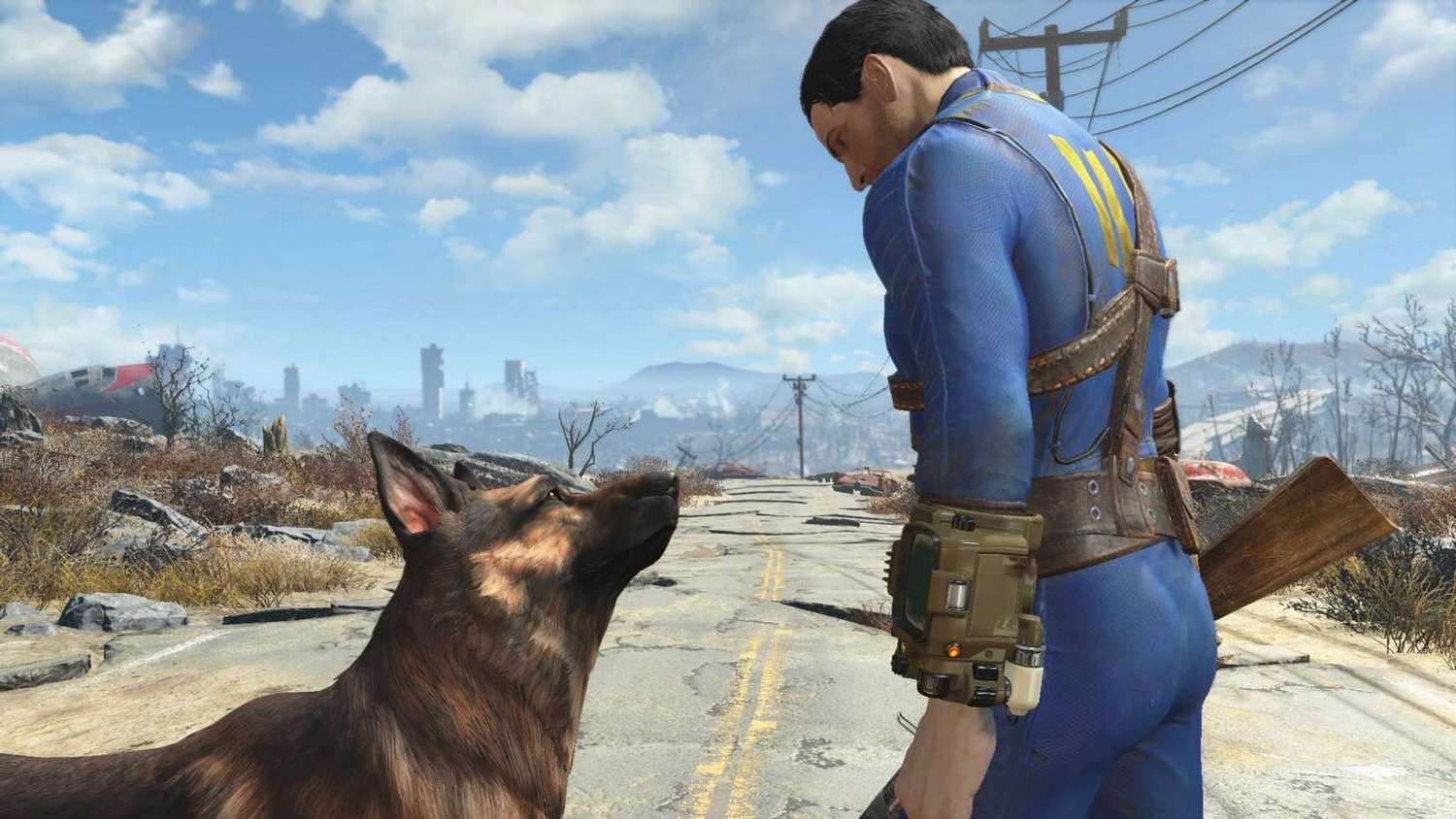
The release of the long-awaited Fallout 4 Next-Gen Update in [Hypothetical Month, e.g., November 2025] was intended to be a celebratory moment, capitalizing on the resurgent interest in the franchise following the critical success of the Fallout television series. Instead, it has triggered a major catastrophe for player goodwill, plunging the game’s historically positive Steam rating to “Mostly Negative” for the first time in nearly a decade. This event, which many in the PC Gaming community have dubbed the “Modocalypse,” is a stark case study in how poor execution of a promised technical upgrade can shatter Player Legacy and ignite intense backlash, directly impacting the value of the Open-World RPG genre’s leading titles. This analysis dissects the key factors driving this ratings decline and examines the core issues surrounding Performance Optimization and the integrity of the game’s ecosystem.
The Primary Catalyst: Breaking Mod Integrity
The overwhelming majority of negative feedback centers on the update’s catastrophic impact on the vast and intricate modding community that has sustained Fallout 4 for nearly a decade. For many PC players, the game’s longevity and enduring RPG Engagement were entirely dependent on fan-made content, particularly the Fallout 4 Script Extender (F4SE)—a tool essential for thousands of complex mods.
- F4SE Incompatibility: The update, which forced a mandatory patch, rendered F4SE—and by extension, huge swathes of the mod library—instantly incompatible. Since many of the original mod authors are no longer active, a significant percentage of this Player Legacy content is likely broken permanently.
- Save File Corruption: Numerous reports cite issues with corrupted save files, particularly those that relied on heavily integrated mods. This is not merely an inconvenience; it represents the destruction of hundreds or thousands of hours of Endgame Content Review progress for dedicated players.
- The Fan-Made Delay: The update also forced the highly anticipated fan-made Fallout: London mod—a massive, community-developed expansion—to delay its release at the last minute. This action demonstrated a clear lack of coordination and respect for the dedication of the modding community, further fueling the controversy.
The community’s sentiment is clear: they would have preferred no update at all rather than one that sabotaged the primary reason they continue to play the game. The forced update structure is being viewed as an attempt at a “cash grab” and a failure of the overall Monetization strategy that relies on continuous content re-releases.
Technical Deficiencies: The Next-Gen Misstep
While the breaking of mods was the main issue on PC, the technical “upgrades” themselves were widely criticized across all platforms for falling short of genuine Next-Gen Update standards and introducing new, frustrating bugs.
The Disappointing Next-Gen Features:
- Lack of Modern Features: Despite being labeled “Next-Gen,” the update failed to introduce expected features like DLSS or FSR support for PC, Ray Tracing, or fundamental graphical overhauls. Visually, the game remained largely the same, leading to criticism that it was a minimal effort with maximum disruption.
- New and Unfixed Bugs: The patch introduced new, highly disruptive bugs, including:
- Unstable VATS: Reports of the V.A.T.S. targeting system becoming erratic.
- Unsynced Audio: Audio cues and character dialogue becoming desynchronized on PC.
- Crashing Issues: Hard crashes on the Xbox Series X/S and PS5, even for vanilla players, suggesting a critical failure in quality assurance (QA) testing.
- The “Creation Club” Backlash: The update prominently featured new (or previously available) content from the Creation Club, which many perceive as low-effort, paid additions. This was interpreted by many as prioritizing a small, commercial Gacha Game Tier List of items over critical technical fixes and the overall stability of the game.
This poor technical delivery, coupled with the long delay since the update was initially announced, has led to a narrative of publisher complacency and a perceived lack of respect for the consumer base. The promise of a smooth 60 FPS experience on console was often overshadowed by the crashes and graphic glitches, making the purported Performance Optimization feel hollow.
The Impact and The Future: Rebuilding Trust
The fallout from the Fallout 4 Next-Gen Update controversy has been substantial, reaching beyond the game itself to damage the reputation of the publisher. The flooded negative reviews are a clear, public signal of consumer revolt against what is seen as a pattern of releasing unfinished or disruptive updates.
Consequences of the Ratings Drop:
- Deterring New Players: The “Mostly Negative” review status acts as a powerful deterrent for new players drawn in by the TV show who are looking for a first-time Open-World RPG experience. This directly undermines the commercial goal of the update.
- Erosion of Goodwill: The breaking of the modding ecosystem has severely damaged the vital relationship between the developer and its most dedicated content creators. Rebuilding this trust will require more than simple hotfixes.
- High-CPC Media Focus: The controversy has generated immense media coverage focused on the negative aspects of the update, driving up the cost and prevalence of high-CPC keywords like “Bethesda update problems” and “Fallout 4 broken” in news searches, a marketing nightmare.
While the developer has acknowledged the issues and promised a rapid hotfix, the damage to Player Legacy and the perception of the game’s stability is severe. For many, this update confirmed the sentiment that Bethesda is more focused on re-releasing and monetizing old titles than maintaining the integrity of the beloved RPG Engagement experience they initially delivered.
The Fallout 4 Next-Gen Update will stand as a cautionary tale: in a game ecosystem powered by community creativity, an update that neglects the players’ foundation risks complete collapse.