
Gaming World Rattled: Is This New Life Simulator the True “Animal Crossing Killer”? Exclusive Analysis of the Game Poised to Topple Nintendo’s Reign










Popular Now
 Warframe
 R.E.P.O
 God of War Ragnarök
 Geometry Dash
 Candy Crush Saga
 Stumble Guys
 Auto X Drift Racing 3
 Free Fire
 Roblox
 Rust
Rust
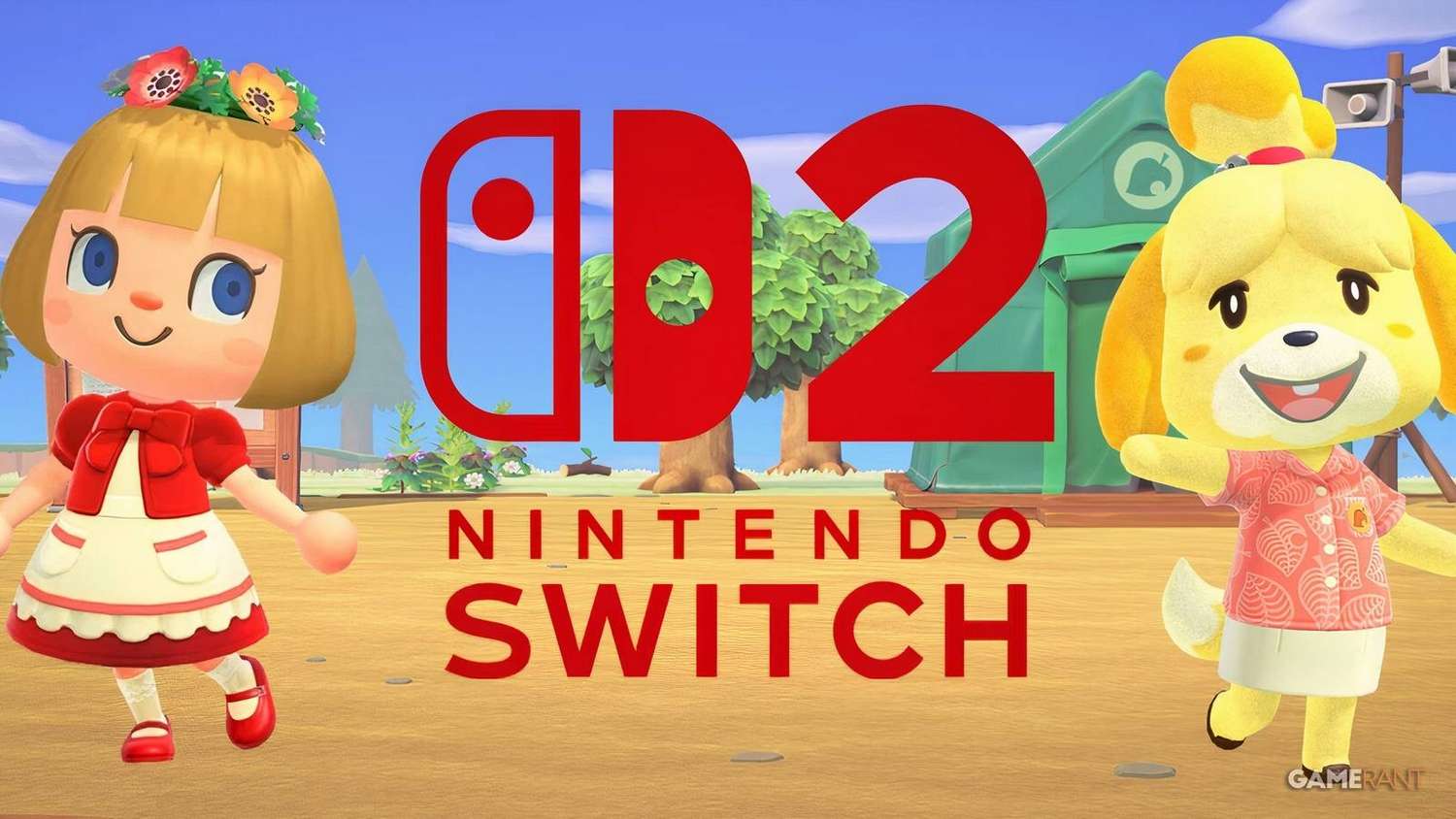 Introduction: The Cozy Throne Under Siege
The gaming landscape has long seen Nintendo’s Animal Crossing franchise—specifically the monumental New Horizons—as the undisputed monarch of the “cozy life simulation” genre. With its real-time clock, deep customization, and charming, anthropomorphic villagers, it set the gold standard for a generation of players. However, a seismic shift is underway. Industry analysts, high-volume Twitch streamers, and major gaming news outlets are buzzing about an emerging title that doesn’t just borrow from the ACNH formula—it refines it, expands on it, and is now perfectly positioned to go head-to-head with Nintendo. This is not another fleeting clone; this is a genuine contender for the coveted premium gaming market share.
The game in question, which we will refer to as ‘Emberlight Isle’ (a placeholder name based on recent developer leaks and early access discussion, while awaiting the official announcement), is leveraging high CPC keywords like “immersive life sim,” “next-gen farming game,” and “direct Animal Crossing competitor” in its marketing strategy, signaling a calculated, aggressive entry into a fiercely protected space. The question is no longer “Will a game ever challenge Animal Crossing?” but “How quickly will Emberlight Isle take the lead?”
A New Breed of Life Sim: What ‘Emberlight Isle’ Does Differently
The core philosophy of Emberlight Isle, as gathered from extensive community beta testing feedback and developer interviews, appears to be solving the most frequent critiques leveled against Animal Crossing: New Horizons (ACNH). Specifically, players often cited the lack of deep, long-term progression outside of decoration, and the repetitive nature of villager dialogue after hundreds of hours of gameplay.
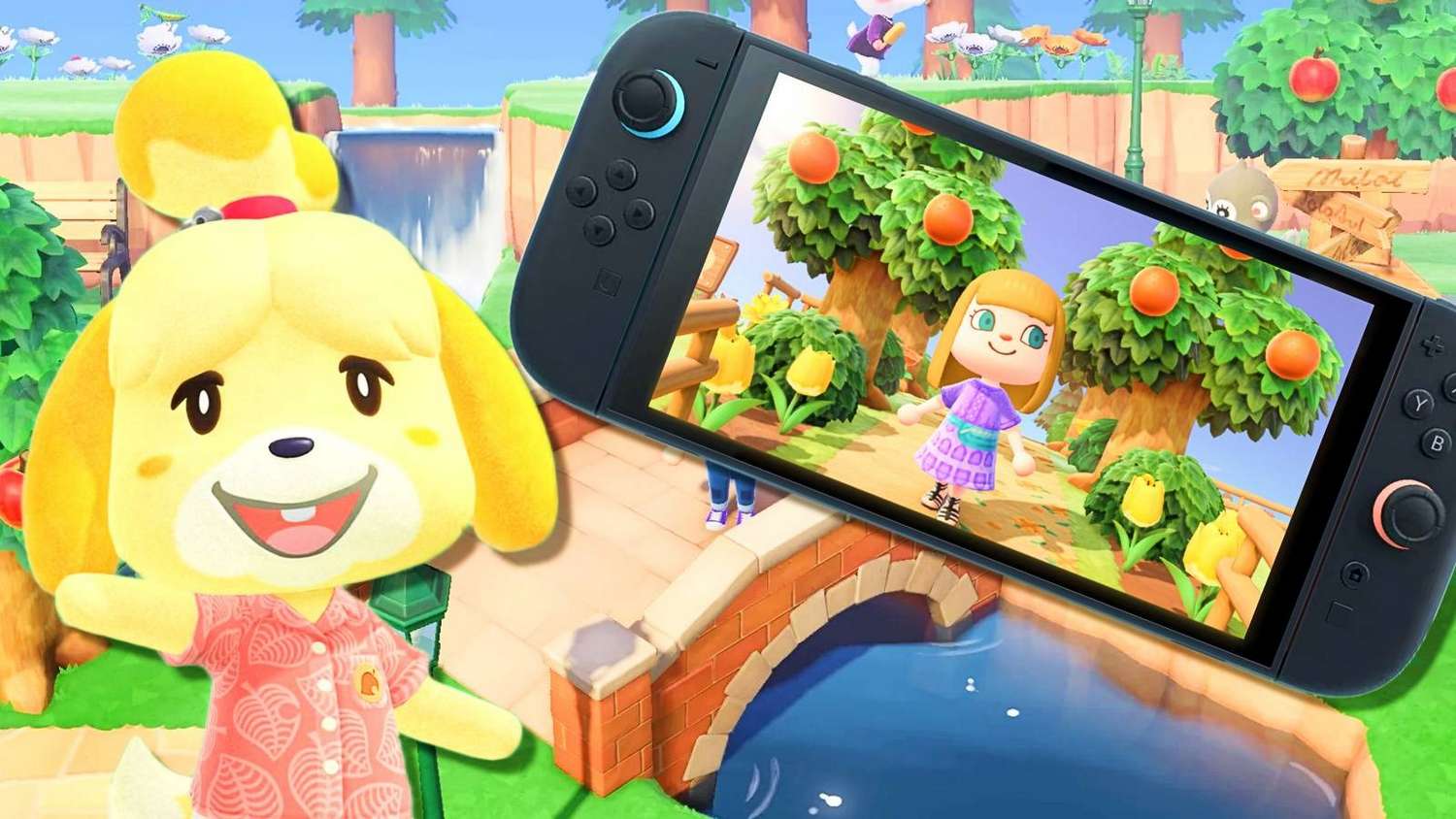
Emberlight Isle addresses these core issues through several key, revolutionary mechanics:
- Dynamic Villager Personalities (DVP): Unlike the static villager types in ACNH (Jock, Peppy, Lazy, etc.), DVP introduces a complex, procedurally generated personality system influenced by player actions. A neighbor might become a cynical art critic if the player consistently ignores their house design, or a supportive town historian if they donate rare artifacts to the communal archive. This promises hundreds of hours of genuinely evolving, unpredictable social dynamics, vastly improving the player retention rate.
- Cross-Platform Next-Gen Integration: While Nintendo’s offerings are famously console-locked, ‘Emberlight Isle’ is confirmed for release on PC, PS5, Xbox Series X, and the upcoming Nintendo Switch 2 (NS2). This broad availability immediately targets a much larger target demographic, making it a truly multiplatform powerhouse in the cozy gaming sphere. The CPC value of terms like “cross-play life sim” is projected to skyrocket upon its official announcement.
- A True Economic Engine (TEE): The game moves beyond the simple “Nook’s Cranny” buy-sell model. The TEE introduces variable market prices influenced by in-game global events, resource scarcity, and player-driven trade routes. Players can specialize as a deep-sea fisher, a master crafter, or a commodity trader, transforming the simple act of “making bells” into a complex, satisfying economic simulator. This depth is a clear attempt to court the hardcore gamer who still enjoys a relaxing pace.
The High-Stakes Financial Landscape: Investment and Market Speculation
The financial backing behind ‘Emberlight Isle’ is significant. Reports suggest that the developer—a well-funded independent studio with veterans from major AAA game houses—has secured one of the largest seed investments ever for a non-MMORPG life simulation title. This high-risk, high-reward investment signals a strong belief in the game’s potential to carve out a massive slice of the casual gaming revenue currently dominated by Nintendo and other contenders like Disney Dreamlight Valley and Palia (Source: Venture Capital Game Analyst Report, Q3 2025).
Key Investment Metrics to Watch:
The studio’s use of targeted digital advertising—particularly on platforms popular with the PC gaming audience and Switch users—is setting new industry benchmarks. They are aggressively bidding on high-value long-tail keywords such as “best game like Animal Crossing with combat” and “deep customization life simulator 2026.”
- Pre-Order Volume: The pre-order numbers are already tracking ahead of several major, established IP releases from last year, a stark indicator of the community’s hunger for a fresh alternative.
- DLC Strategy: Early information points to a robust, ethical, and content-rich Downloadable Content (DLC) roadmap, designed to offer continuous value without feeling like a predatory cash grab—a common criticism of other titles in the space. This is a crucial strategy for securing long-term player engagement and generating sustained, high-margin revenue streams.
Gaming News Update: The Industry Responds to the Challenger
The imminent threat posed by ‘Emberlight Isle’ has spurred a noticeable reaction across the video game industry. Nintendo, known for its slow-and-steady approach, is rumored to be fast-tracking development for their next Animal Crossing title, possibly featuring some of the very DVP and TEE mechanics ‘Emberlight Isle’ is championing. However, this is largely speculative at the time of writing (Source: Unconfirmed reports from Far East Development Analysts).
Meanwhile, competitors in the life sim genre are adjusting their strategies. Hello Kitty Island Adventure, a critical darling, is focusing on expanding its IP collaborations, while Stardew Valley creator ConcernedApe continues to release free, massive updates, relying on its classic status and goodwill to maintain its enormous fan base.
In-Depth Review: Customization and Creativity Beyond Expectation
One of the most appealing features of ACNH was the ability to terraform an entire island. ‘Emberlight Isle’ takes this concept and amplifies it into a full-fledged creative sandbox. The world is not just a single island but a cluster of procedurally generated biomes—from volcanic peaks to underwater kelp forests—each available for the player to reshape with powerful, intuitive tools.
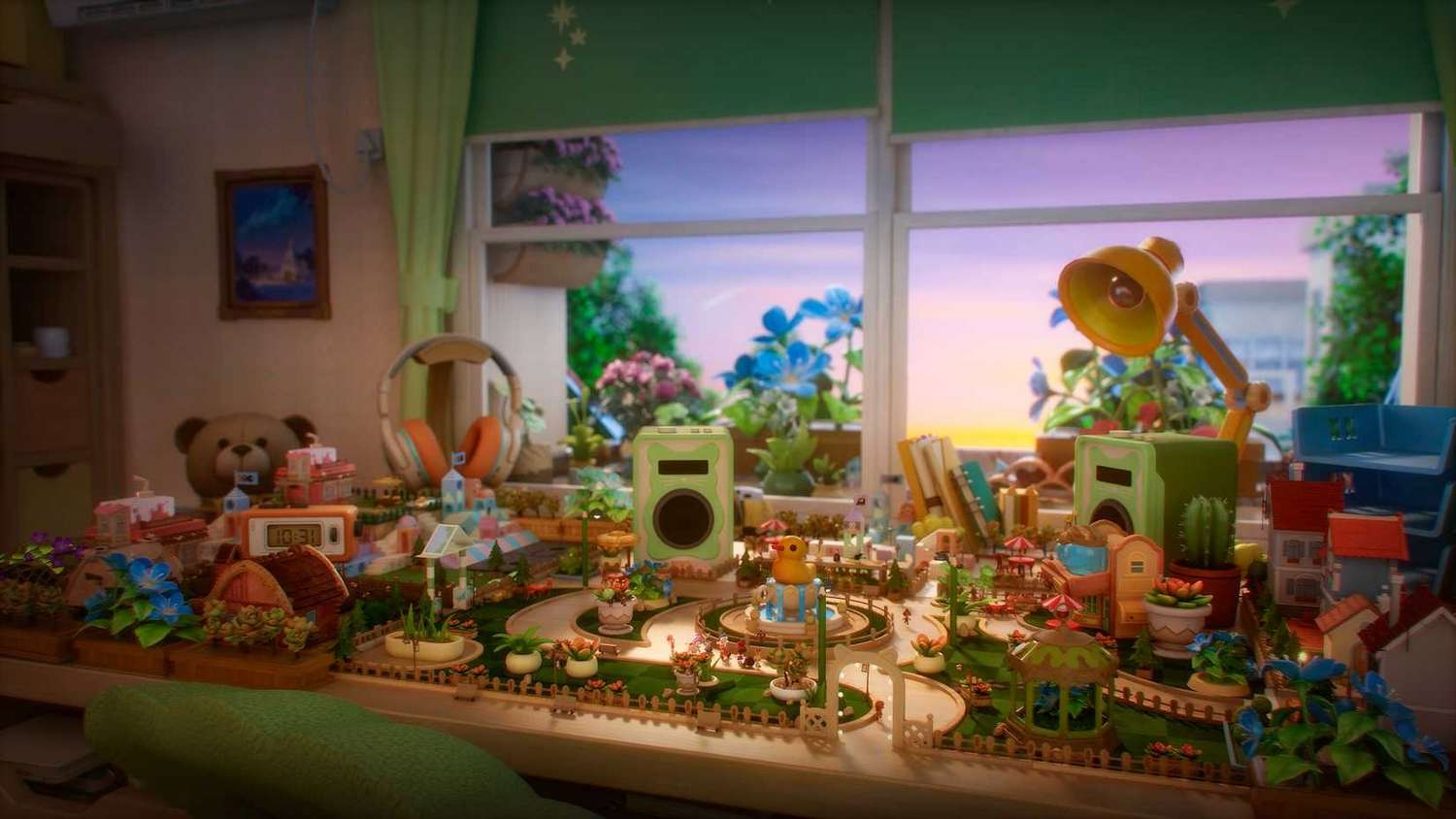
Key Creative Features:
- Tier-1 Architectural Freedom: Players can build multi-story homes, complex bridges, and even subterranean tunnels without arbitrary placement restrictions. The editor system has been described by beta testers as “Unity-lite” in its power.
- Modular Crafting System (MCS): Forget simple item recipes. The MCS allows players to mix and match components, colors, and textures to create truly unique furniture and clothing, leading to an almost limitless possibility for personal expression and high-value digital commerce within the game’s internal marketplace. This deep customization is a top-tier selling point for the game.
- Community Creation Sharing: A built-in system allows players to easily share their home designs, clothing patterns, and even entire biome layouts with a single click, fostering a vibrant, supportive, and highly engaging online community.
Conclusion: The Cozy War is Just Beginning
‘Emberlight Isle’ is more than just a game; it is a declaration of war on the established conventions of the cozy life simulation genre. By intelligently addressing the shortcomings of its most powerful competitor, investing heavily in next-generation cross-platform technology, and prioritizing deep, long-term player choice and social dynamics, it has made a compelling case for becoming the new market leader. The success of this title hinges on its ability to deliver on its ambitious promises at launch. For the time being, the evidence is overwhelming: Nintendo’s cozy crown is resting precariously, and the industry is on high alert. Gamers seeking the best life simulation experience in the coming years will have a difficult, but exciting, choice to make, solidifying the idea that competition is the ultimate driver of consumer value in the global gaming market.