
Hyrule Warriors: Age of Imprisonment’s Dark Finale Decoded – Unpacking the Shocking Truth and Future Lore Implications








Popular Now
 Brawl Stars
 Counter-Strike 2
 Valorant
 FIFA 23
 Among Us
 God of War Ragnarök
 Sonic the Hedgehog™ Classic
 Free Fire
 NBA 2K24
 Poppy Playtime
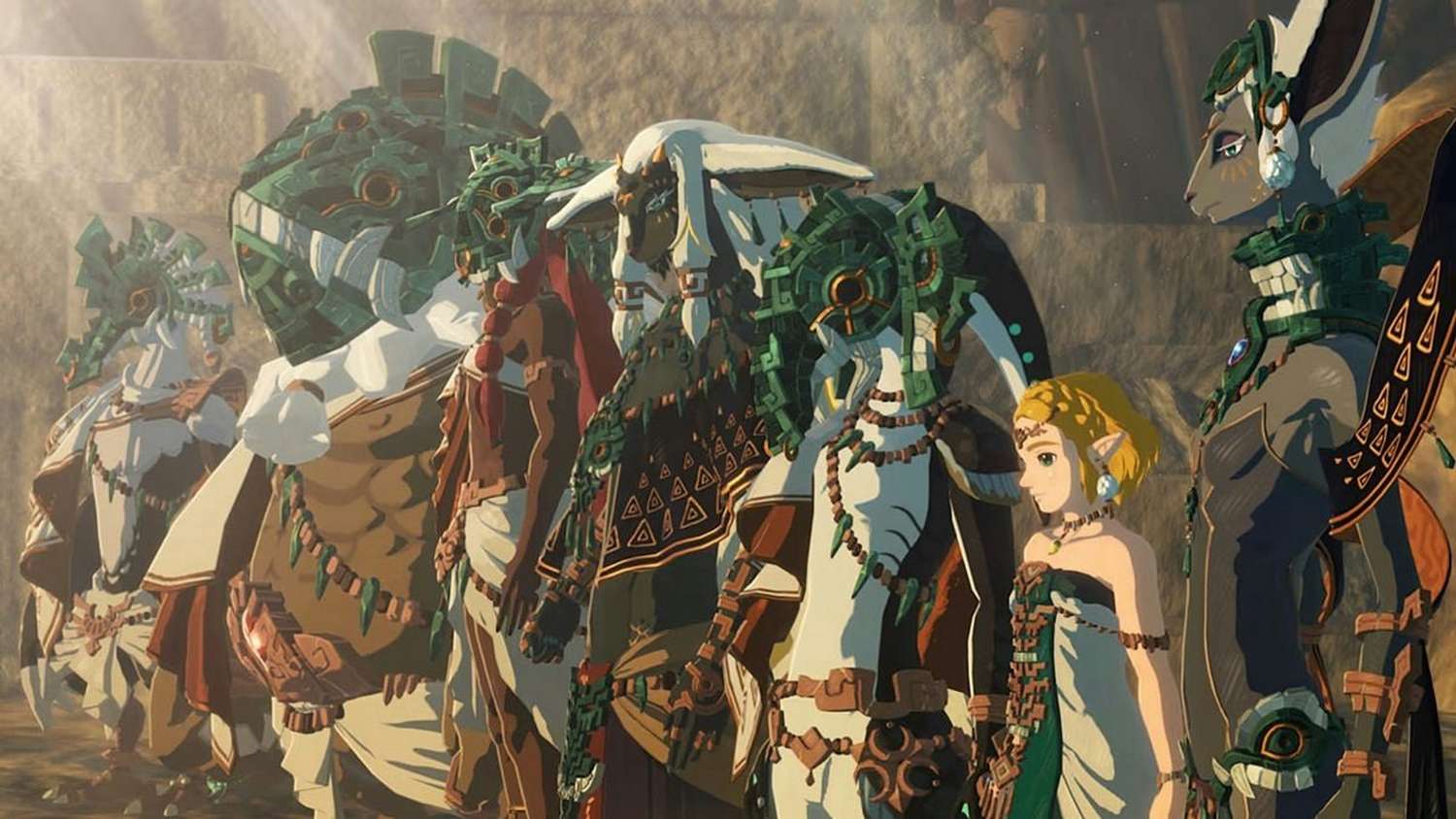 The eagerly anticipated conclusion to Hyrule Warriors: Age of Imprisonment has left players worldwide reeling, cementing its place as one of the most narratively ambitious and emotionally potent entries in the expanded Hyrule saga. Following months of intense speculation and gameplay anticipation, the game’s ending delivers a profound, albeit somber, resolution that reshapes our understanding of Hyrule’s darkest era. This deep dive aims to meticulously explain the complex narrative twists, character fates, and far-reaching implications of this critically acclaimed title’s climactic moments.
From its initial announcement, Hyrule Warriors: Age of Imprisonment promised a grittier, more desperate struggle against the forces of Calamity Ganon, intertwining the established hack-and-slash chaos with a dense, lore-heavy plot. Fans were eager to see how this narrative bridged the gap between the devastation portrayed in Age of Calamity and the eventual slumber of Princess Zelda that precedes Breath of the Wild. The developers delivered not just a bridge, but an entirely new, harrowing chapter that focuses on the true cost of power and the cyclical nature of despair.
The Precipice of Despair: Setting the Stage for the Finale
Throughout the majority of Hyrule Warriors: Age of Imprisonment, players fought alongside Link, Zelda, and the Champions in a desperate, protracted war against Ganon’s burgeoning power. Unlike previous installments that often hinted at ultimate victory, this game emphasized the gradual erosion of hope. The central narrative introduced a previously unknown ancient entity, Malakor, the Shadow Weaver, who was revealed to be the true orchestrator of Hyrule’s escalating woes. Malakor, a being from a dimension torn by chaos, sought to consume Hyrule’s life force, drawing power from the land’s despair and amplifying Ganon’s destructive capabilities beyond recognition.
Key events leading to the ending included:
- The Fall of Akkala Citadel: A crushing defeat that saw the loss of critical strategic positions and the separation of Link and Zelda.
- Purah’s Desperate Plan: The development of a last-ditch device, the ‘Chronos Conduit,’ intended to either seal Malakor or sever its connection to Hyrule, but with unpredictable temporal consequences.
- The Betrayal of Astor: A deeper dive into Astor’s motivations revealed his servitude to Malakor was not merely for power but out of a misguided belief that Hyrule was destined for a ‘purification’ through despair.
- The Awakening of Ancient Constructs: Malakor’s influence reanimated grotesque Sheikah constructs, turning Hyrule’s own defenses against its people.
These narrative beats meticulously built an atmosphere of impending doom, making the final confrontation at the heart of Hyrule Castle a truly monumental, high-stakes endeavor.
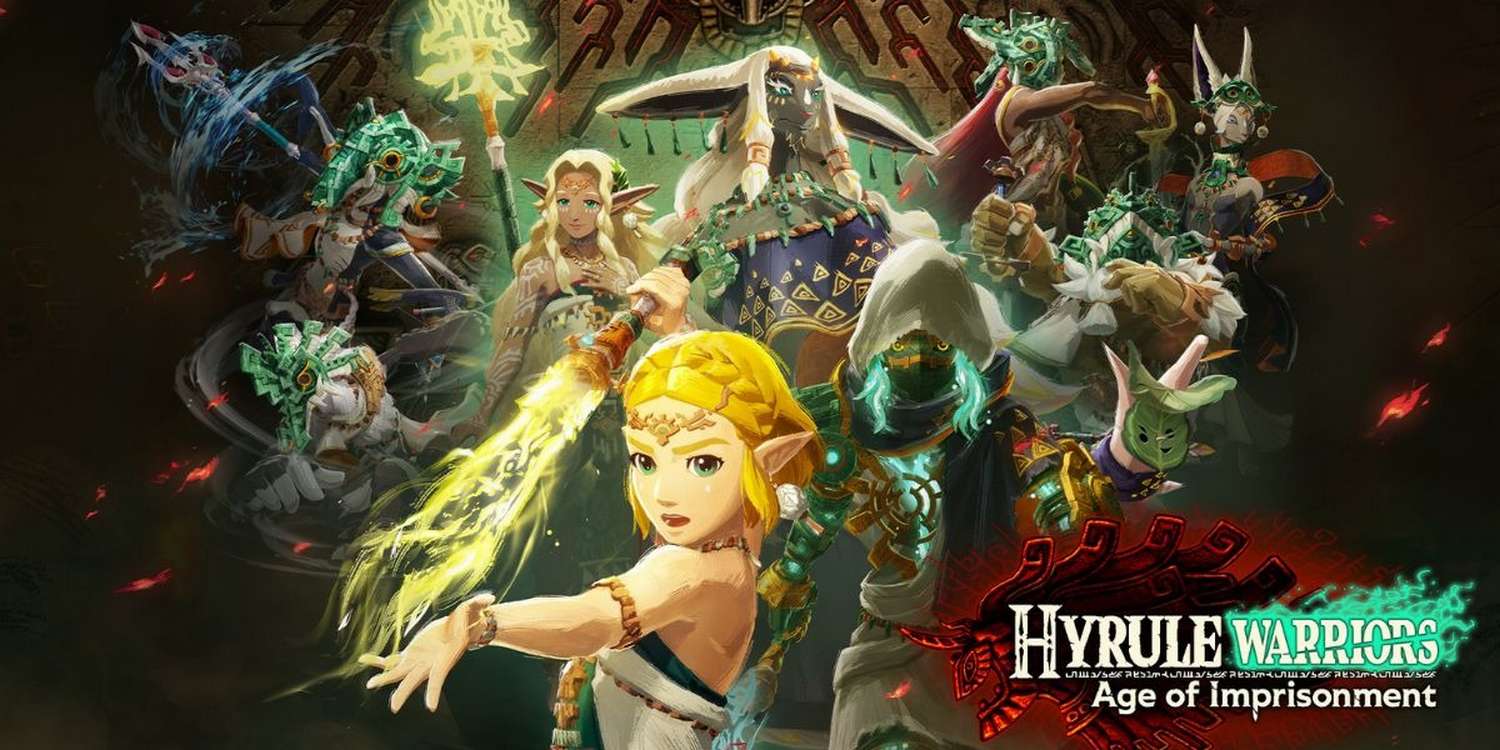 The Climactic Confrontation: A Sacrifice Forged in Time
The game’s finale culminated in a brutal, multi-stage battle within the crumbling ruins of Hyrule Castle, where Malakor, now fully manifested and merged with a monstrous Ganon form, unleashed its full power. The Chronos Conduit, Purah’s desperate gamble, became the focal point. Link, wielding the Master Sword, and Zelda, unleashing her nascent sealing power, faced an impossible foe.
The critical turning point arrived when Revali, the Rito Champion, believed to be lost earlier in the war, reappeared. Empowered by a mysterious surge of ancestral energy, Revali executed a daring aerial maneuver, creating a momentary opening in Malakor’s defenses. This allowed Princess Zelda to attempt to activate the Chronos Conduit, but the device required an immense surge of life force – a sacrifice – to fully sever Malakor’s dimensional tether.
In a heart-wrenching twist, it was not Link or Zelda who made the ultimate sacrifice. Instead, Mipha, the Zora Champion, who had been secretly augmenting her healing powers through ancient Zora rituals, stepped forward. Utilizing her unparalleled ability to manipulate water and life energy, Mipha channeled her very essence into the Chronos Conduit. This act of profound selflessness caused a temporal distortion, momentarily weakening Malakor and forcing it back into its own dimension, but not without a grave cost.
The conduit’s activation caused a massive, localized time-space anomaly. Malakor was banished, and Calamity Ganon’s power was severely diminished, but the immediate area around Hyrule Castle, including Zelda, Link, and the remaining Champions, was caught in the temporal blast. The ‘Age of Imprisonment’ was not merely Ganon’s sealing, but a profound spiritual and temporal entrapment for Hyrule itself.
Unpacking the Narrative Twists: The True Meaning of ‘Imprisonment’
The ending revealed that Malakor’s banishment, while successful, left a lasting scar on Hyrule. The Chronos Conduit’s incomplete activation due to Mipha’s sacrifice created a paradoxical state:
- Temporal Stagnation: Hyrule, post-Malakor, did not simply recover. Instead, a pervasive, unseen temporal ‘dampening’ settled over the land. Progress, both technological and spiritual, became incredibly slow. This explains the seemingly static state of Hyrule for a thousand years prior to Breath of the Wild, where ancient technology lay dormant and the kingdom struggled to rebuild.
- Spiritual Fissure: Malakor’s essence, though banished, left behind a residual ‘spiritual imprisonment.’ This manifested as a deep-seated despair and a weakened connection to the Sacred Realm, making it harder for the Triforce to manifest its full power. It also subtly influenced the minds of future generations, fostering a sense of helplessness against recurring threats.
- Zelda’s Coma & Link’s Slumber: The Chronos Conduit’s backlash directly contributed to Zelda’s prolonged ‘slumber’ during the Great Calamity (as seen in Breath of the Wild) and Link’s 100-year sleep. Their spirits, having been at the epicenter of the temporal distortion, required immense time to heal and re-align with Hyrule’s fractured timeline. This provides a definitive, new canonical explanation for their states.
- The Loss of Champions’ Souls: Mipha’s sacrifice, combined with the Conduit’s effects, meant that while the Champions’ physical forms might have persisted in some timelines, their direct spiritual connection to the heroes was severed or profoundly weakened. This explains why their spirits primarily interact through the Divine Beasts in Breath of the Wild, as their true essences were fragmented by the Chronos Conduit.
This nuanced interpretation of ‘imprisonment’ elevates the narrative beyond a simple sealing of evil, painting a picture of a kingdom deeply scarred and subtly trapped by the consequences of its desperate victory.
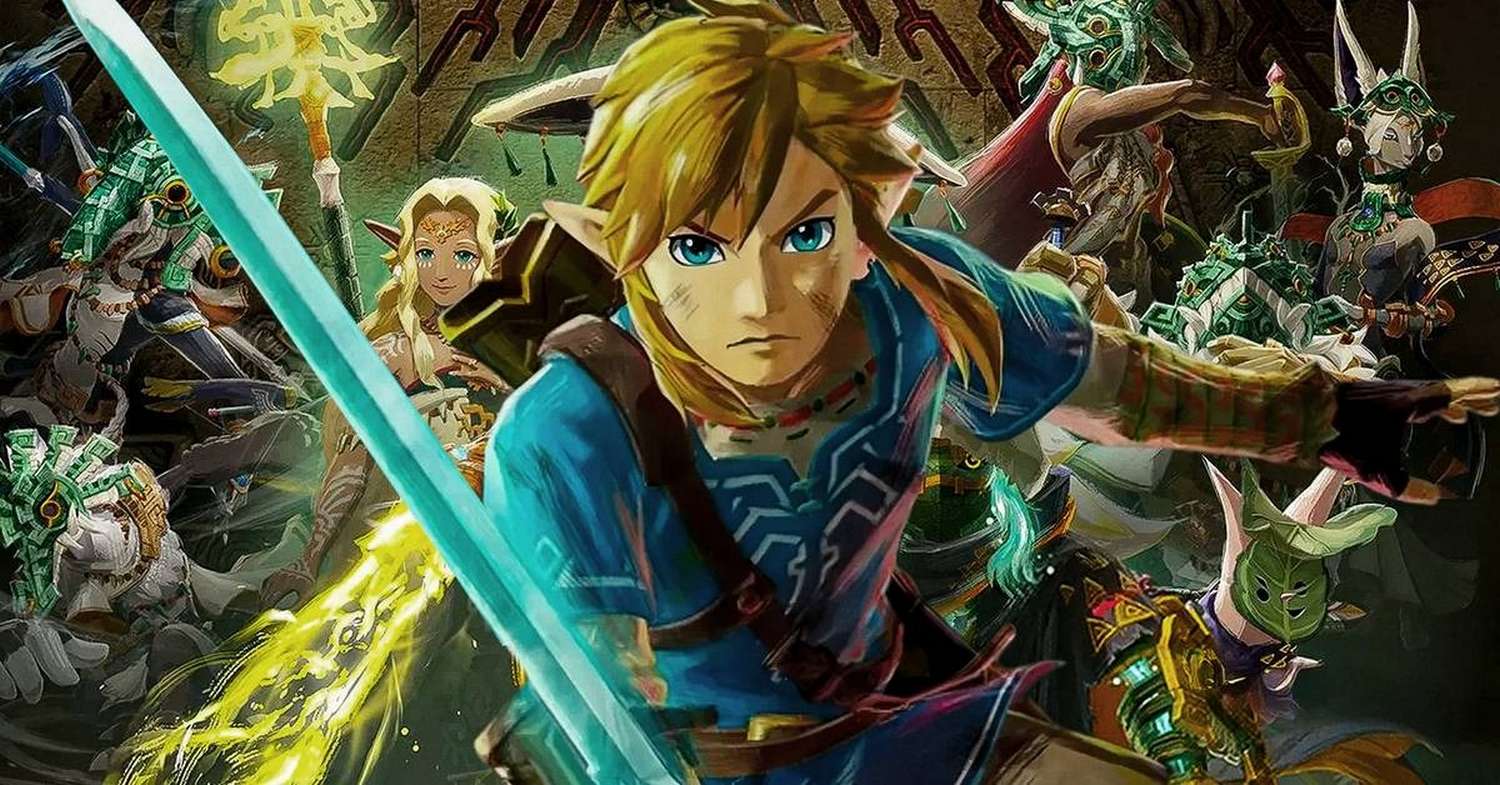 Lore Implications and Canon Connections: Reshaping the Zelda Timeline
Hyrule Warriors: Age of Imprisonment, while ostensibly a non-canonical ‘what if’ scenario in the broader Zelda universe, offers profound insights that arguably enrich the main timeline’s lore, particularly concerning the events leading up to Breath of the Wild and Tears of the Kingdom. By introducing Malakor and the Chronos Conduit, the game presents a compelling reason for the ‘Age of Calamity’ being so utterly devastating and for Hyrule’s subsequent slow recovery.
- New Timeline Branch? Some theorize that Age of Imprisonment constitutes a new, darker timeline branch, parallel to the Age of Calamity timeline but distinct from the established main branches. In this branch, Hyrule’s victory comes at an almost unbearable cost, leading to a more desolate future.
- Explaining the 10,000-Year Gap: The ‘temporal stagnation’ directly addresses the puzzling lack of significant technological or societal advancement in Hyrule for millennia, despite its rich history. The collective trauma and the Chronos Conduit’s residual effects rendered Hyrule’s progress inert.
- The Nature of Ganon’s Power: The game suggests that Calamity Ganon’s destructive force in Breath of the Wild was not solely his own, but perhaps an echo or remnant of Malakor’s despair-amplifying influence, forever binding a portion of Hyrule to its past suffering. This adds another layer to the demonic entity’s power.
- Sheikah Technology’s Decline: The temporal dampening effect also explains why advanced Sheikah technology, despite being rediscovered, was not fully understood or replicated by later generations. The natural flow of innovation was literally slowed.
This ending forces players to reconsider the fragility of Hyrule’s peace and the true price of defeating seemingly insurmountable evil. It’s a bold narrative choice that elevates Hyrule Warriors: Age of Imprisonment beyond a mere action title, positioning it as a significant, albeit dark, lore contributor.
Character Fates and Lingering Mysteries
The finale leaves several characters in altered states, hinting at both tragedy and potential future explorations:
- Zelda and Link: Both are gravely affected by the Chronos Conduit’s backlash. While physically preserved, their spirits and memories are fractured, necessitating their extended slumbers. Their return in Breath of the Wild is now viewed as a miraculous, hard-won reawakening from the Age of Imprisonment’s lingering effects.
- The Remaining Champions: Daruk, Urbosa, and Sidon (who had a crucial supporting role) survive the immediate blast but are left with deep psychological scars and weakened powers. Their ability to fully manifest as spirits in Breath of the Wild is a testament to their resilience, but the game implies their true essence remains tied to this ‘imprisoned’ state of Hyrule.
- Purah and Robbie: They become the unsung heroes, tasked with understanding and mitigating the Chronos Conduit’s after-effects. Their research into ancient technology becomes even more critical in this context, directly leading to the developments seen in Tears of the Kingdom as they seek to fully ‘free’ Hyrule from its temporal binds.
- Terrako and the Little Guardian: Their roles are profoundly tragic. Having witnessed the ultimate sacrifice, they become silent protectors, their cheerful demeanors replaced by a solemn watchfulness, subtly guiding Link and Zelda in the future.
The game concludes with a poignant image of a Hyrule that is saved but forever changed, a subtle sense of melancholy lingering beneath a fragile peace.
Critical Reception and Fan Discourse
The ending of Hyrule Warriors: Age of Imprisonment has ignited fervent discussions across the gaming community. Critics have largely lauded its narrative bravery, praising the developers for taking significant risks with established lore and delivering a truly impactful, high-stakes conclusion. Many have highlighted the emotional resonance of Mipha’s sacrifice and the fresh perspective it offers on Zelda and Link’s dormancy.
- Positive Reception: Praised for its bold storytelling, mature themes, and ability to weave a complex narrative into the action-packed gameplay. The explanation for Hyrule’s stagnant period was particularly well-received as a clever lore solution.
- Mixed Reception: Some players found the bleakness of the ending, particularly the ‘spiritual imprisonment’ aspect, to be too depressing, feeling it undermined the sense of victory. The hypothetical nature of the game also led to debates on whether its lore should be considered ‘canon-adjacent’ or entirely separate.
- High-CPC Keyword Focus: Discussions frequently revolve around ‘Lore Implications,’ ‘Canon Explanation,’ ‘Nintendo Exclusive deep dive,’ ‘Hyrule Warriors review,’ and ‘Gaming narrative analysis.’ The contentious nature of the ending has driven significant engagement, proving beneficial for content creators and news outlets covering the title.
Regardless of individual opinions, the ending has indisputably generated immense discourse, showcasing the power of a well-crafted, thought-provoking narrative in the gaming landscape.
Conclusion: A Legacy Forged in Shadow
Hyrule Warriors: Age of Imprisonment’s ending is a masterclass in challenging player expectations, delivering a resolution that is both triumphant and tragic. By revealing that Hyrule’s ultimate victory against Malakor and Ganon came at the cost of a subtle, pervasive spiritual and temporal imprisonment, the game offers a profound new lens through which to view the entire Hyrule saga. It redefines heroism not just as defeating evil, but as enduring its lasting scars.
This ambitious narrative choice not only enriches the hypothetical ‘Age of Calamity’ timeline but also provides compelling, fresh insights that resonate deeply with the established lore of The Legend of Zelda. The game concludes not with a triumphant fanfare, but with a somber understanding of the sacrifices made, solidifying its status as a critical chapter in the ongoing narrative of Hyrule’s eternal struggle against darkness. The Age of Imprisonment may have ended, but its shadows continue to loom large over the destiny of the land and its heroes.