
MTG Controversy Deepens: Wizards’ Survey on Spider-Man Set Draws ‘Witch Hunt’ Accusations Over Influencer Question






Popular Now
 League of Legends
 Rust
Rust
 Stumble Guys
 Toca Boca World
 Candy Crush Saga
 Schedule I
 Garena Free Fire: Kalahari
 EA SPORT FC 25
 Auto X Drift Racing 3
 The Legend of Zelda
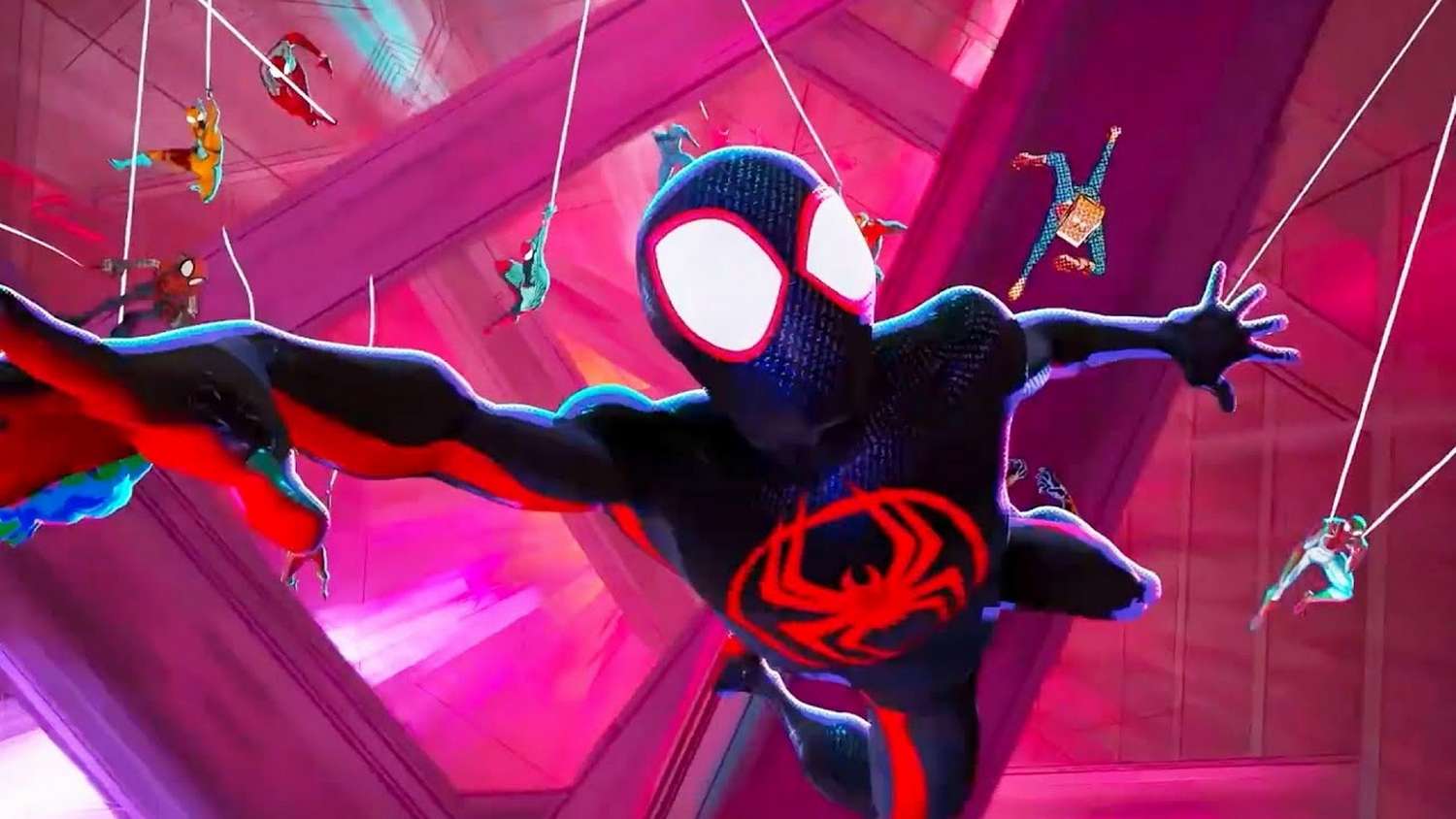 The Latest Buzz: Magic: The Gathering Survey Addresses Spider-Man Set Backlash, But There’s a Catch
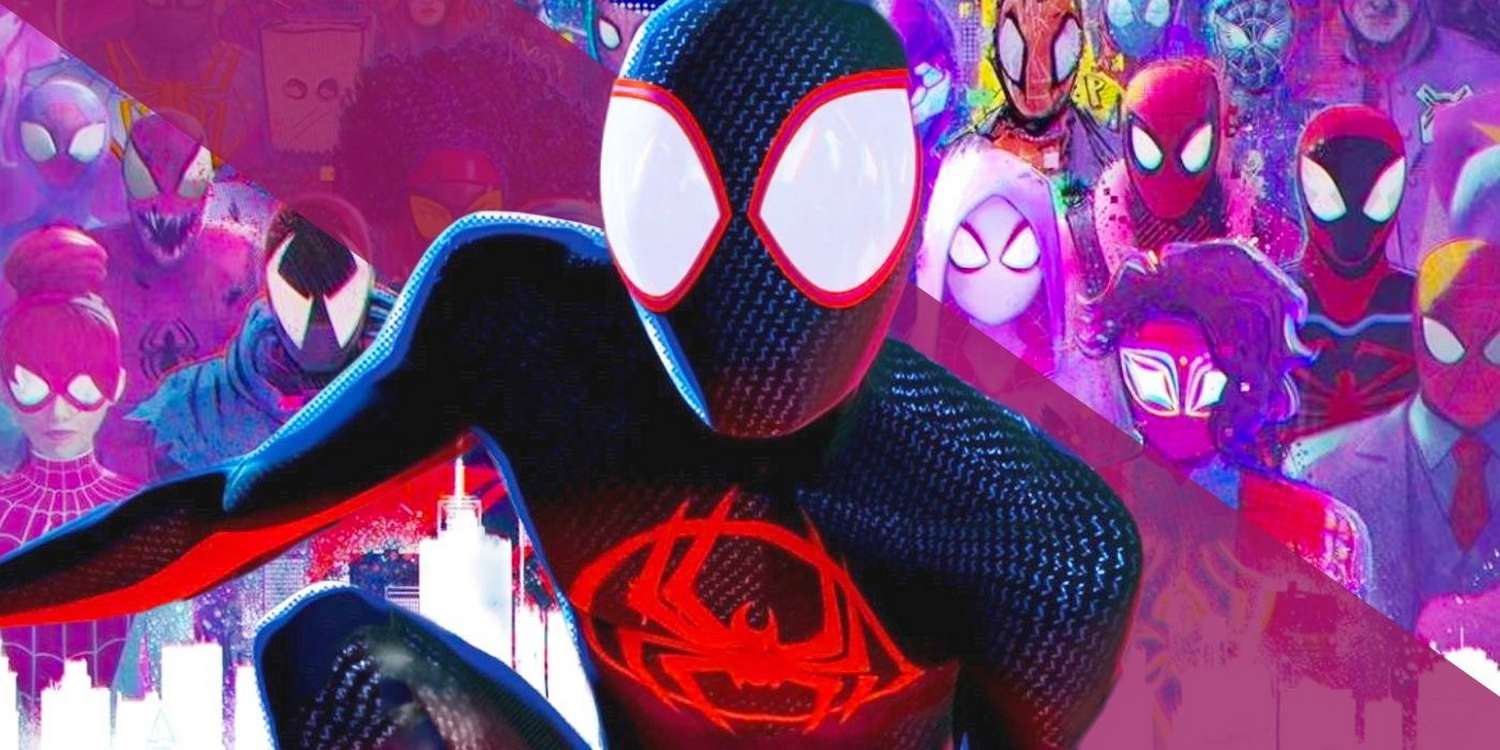
The Magic: The Gathering (MTG) community is once again in a state of high-alert following the circulation of a new survey from Wizards of the Coast (WotC) concerning the recent Universes Beyond: Marvel’s Spider-Man set. The release of the set had already been met with widespread criticism, citing issues ranging from a perceived lack of mechanical depth and the contentious “Pick-Two” draft format to the overall aesthetic not aligning with the traditional MTG fantasy style. However, the latest development involves a specific line of questioning in WotC’s official feedback survey, which has ignited a fresh wave of controversy, suggesting a potential attempt by the publisher to deflect blame for the set’s tepid reception.
The Core of the Controversy: Blaming the Messenger?
While gathering player feedback through surveys is standard practice for WotC, a particular sequence of questions has caused significant concern among players and, more notably, content creators and MTG influencers. The survey reportedly includes a question that, if players indicate they received news or commentary about the set from a content creator, prompts a follow-up asking about the impact of “negative influencer commentary” on their perception of the set prior to its release. This phrasing has led many to believe that WotC may be attempting to scapegoat influential community members for the product’s commercial and critical failure.
Professional players and high-profile MTG personalities have taken to social media platforms, including X (formerly Twitter), to voice their dismay. Hall of Famer Luis Scott-Vargas (LSV) was among the most vocal critics, questioning the intent behind the query. The general sentiment within the community is that the set’s issues are design-related and quality-control driven, not simply a product of bad press. Critics point to the set’s underwhelming competitive impact and the swift Collector Booster price crashes as clear indicators of organic market dissatisfaction.
- Key Controversy Point 1: Direct questioning about the influence of “negative commentary” from content creators.
- Key Controversy Point 2: Community perception that the focus on influencers is an attempt to deflect attention from inherent set design flaws.
- Key Controversy Point 3: Fears among content creators of being placed on a “hit list” or facing potential retaliation for honest product reviews.
A History of Universes Beyond: High Stakes and Higher Expectations
The Universes Beyond line, which integrates established external franchises like The Lord of the Rings and Warhammer 40,000 into the MTG framework, has been a massive revenue driver for Wizards of the Coast and its parent company, Hasbro. These crossover sets carry significant licensing and production costs, placing immense pressure on their financial performance. While the Lord of the Rings set was widely hailed as a success, both critically and commercially, the Spider-Man set—and to a lesser extent, the earlier Final Fantasy set—has exposed the risks associated with this strategy.
Many players feel the Spider-Man set, in particular, suffered from a rushed development cycle. Initial reports indicated it was slated to be a smaller, supplemental release, but it was later expanded into a full Standard-legal set. This change, coupled with the introduction of the unusual Pick-Two Draft format, contributed to the feeling of a scattered, half-baked product aimed primarily at short-term hype and premium product sales, rather than long-term player engagement and game quality.
This latest survey incident underscores a growing tension between the publisher and its core audience. The company’s reaction to negative feedback—as interpreted through the survey—suggests a concern more focused on reputation management and influencer marketing metrics than on acknowledging and addressing fundamental product shortcomings.
What Does This Mean for the Future of MTG and Universes Beyond?
The survey backlash is a critical moment for WotC. The company has since acknowledged the controversy surrounding the specific question, with some reports suggesting they’ve admitted a “mistake” in its phrasing. However, the damage to community trust is already evident.
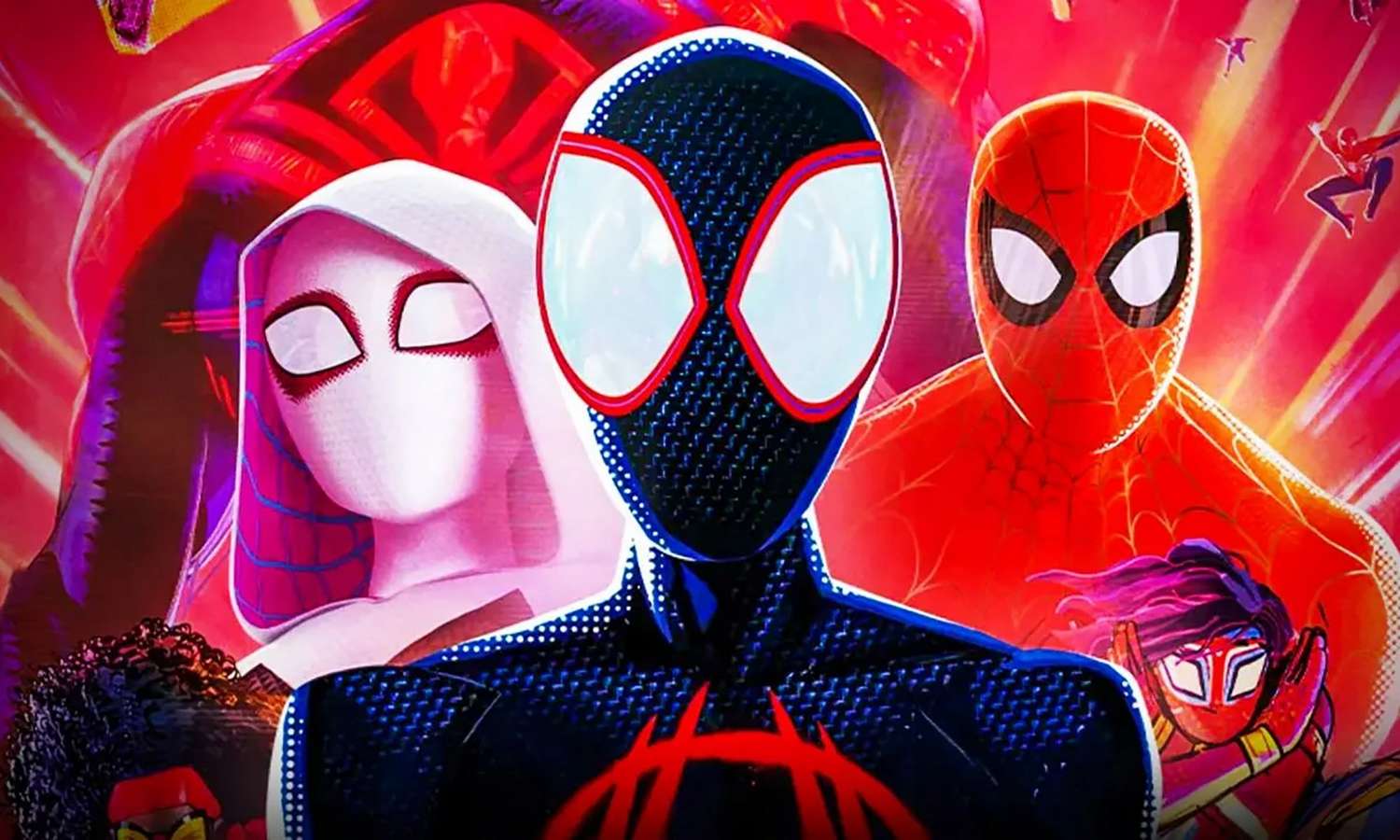
The set itself has introduced several new and returning mechanics, such as ‘Connive’ and a new take on ‘Mayhem,’ but the general consensus is that these elements were not enough to elevate the set’s overall limited or constructed play experience. The low attendance at pre-release events reported by local game stores further emphasizes the lack of enthusiasm among enfranchised players. The low secondary market value of almost every non-chase card in the set, aside from the contentious Soul Stone card, provides hard evidence of low demand.
Moving forward, WotC must decide whether to continue prioritizing the sheer volume and speed of Universes Beyond releases or to return to a focus on premium product quality and robust limited play design. The community is sending a clear message: Universes Beyond sets are welcome, but not at the expense of sound MTG gameplay and design integrity.
Industry analysts suggest that the handling of this controversy will be a key indicator of WotC’s strategy in the coming years, especially with other major crossovers like Star Trek and Teenage Mutant Ninja Turtles already announced. The ultimate lesson for the publisher is that negative sentiment is often a symptom of product issues, not the cause, and attempting to silence or discredit the voice of the community is a high-risk gamble that could alienate their most devoted, high-value collectors and competitive players.