
THE PAIN OF THE FLOP: MINDS EYE LEAD ACTOR ALEX HERNANDEZ ON BEING THE FACE OF A DISASTROUS VIDEO GAME LAUNCH








Popular Now
 Garena Free Fire: Kalahari
 Valorant
 Roblox
 CarX Street
 FIFA 23
 Free Fire
 Black Myth: Wukong
 Geometry Dash
 Among Us
 BeamNG.drive
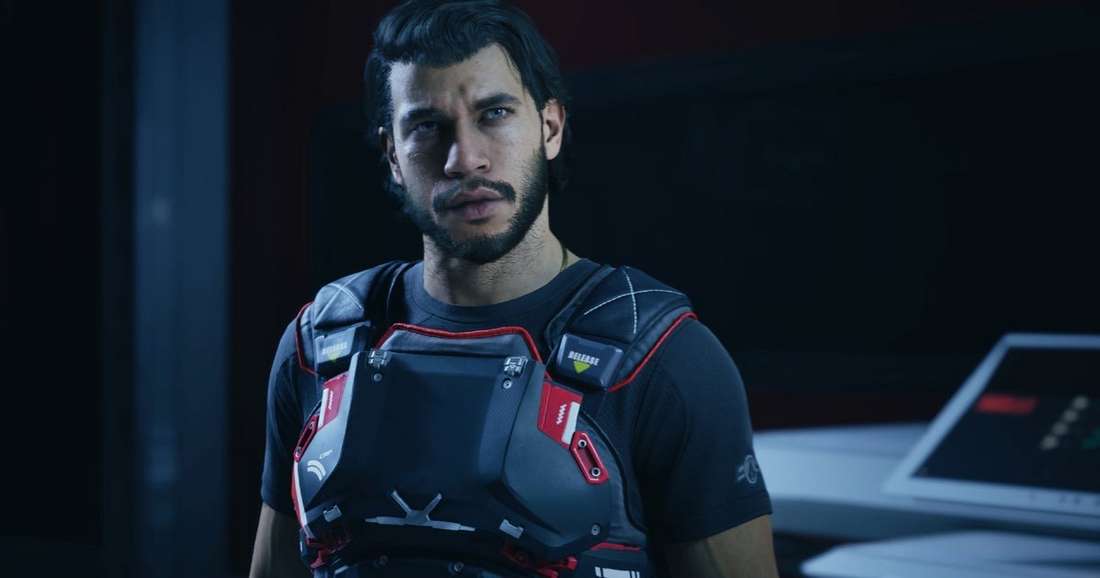
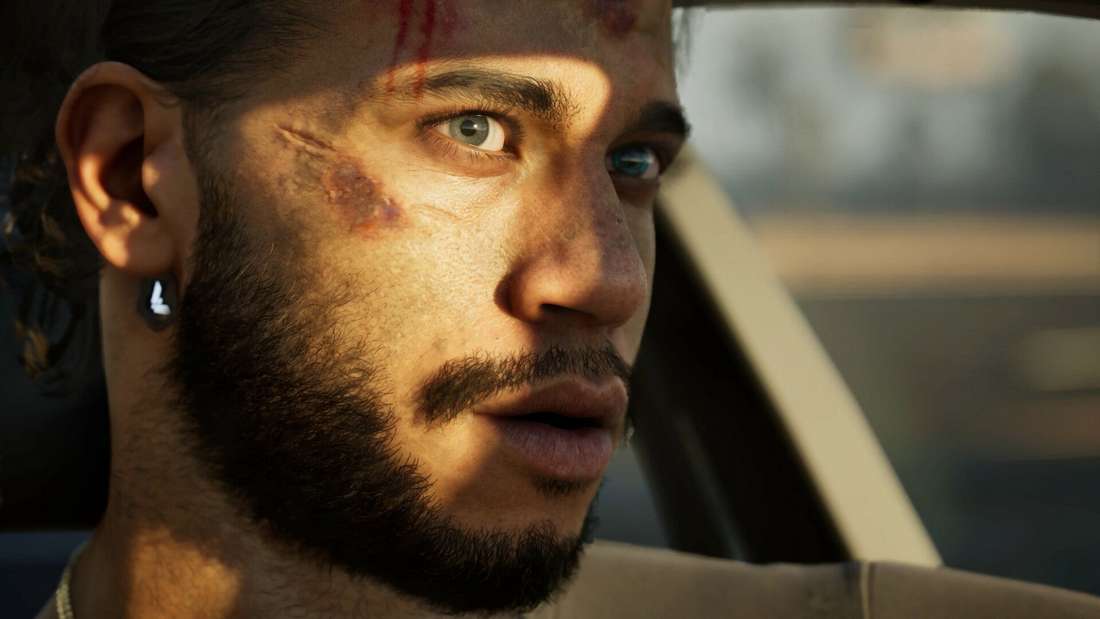 ALEX HERNANDEZ, the actor who provided the voice and motion-capture for the protagonist Jacob Diaz in the ambitious, but critically panned, video game MindsEye, has publicly shared his candid and emotional reaction to the game’s disastrous reception. The sci-fi action title, developed by Build a Rocket Boy and helmed by former GTA producer Leslie Benzies, launched to a wave of negative reviews, technical complaints, and subsequent studio layoffs, marking it as one of the year’s most significant video game flops.
Speaking on the FRVR podcast, Hernandez detailed the difficult experience of being the public face plastered on the box art—a role that became the nexus for all the community’s frustration and disappointment. His commentary offers a rare, human perspective on the unpredictable and often harsh realities of modern AAA game development and the highly scrutinized gaming industry.
 THE DOUBLE-EDGED SWORD OF GAME STARDOM AND REPUTATIONAL RISK
Hernandez, who previously starred as Lincoln Clay in the critically mixed Mafia 3, recognized the unique risk inherent in lending one’s likeness to a major interactive project. He described the prominent position on the box art as “the flip side of the blessing that it is to be the guy on the box,” acknowledging that it makes the actor an immediate, visible target for backlash.
- The Emotional Toll: “It’s hard. I’m not gonna lie about that,” Hernandez stated, conveying the deep hurt of dedicating two and a half years to a project only to see it fail spectacularly. This emotion was compounded by his concern for the approximately 300 employees at the studio whose careers were riding on the game’s success.
- Fear for His Career: The immediate, overwhelmingly negative response from critics and players alike led to a moment of intense self-doubt. Hernandez admitted, “I was like, ‘I might never work in a game again.'” He jokingly questioned if he had the “opposite of the golden touch,” fearing that his name would become synonymous with a critical flop in the highly competitive world of entertainment technology.
- Association of Emotion: The actor highlighted the core issue: “One of the caveats of being the face on the box is that people, rightly or wrongly, will associate all of their opinions and, more importantly their emotions, about this game with my face.” This underscores the collateral damage actors face when a game’s technical or design flaws are the true cause of its failure.
ANALYZING THE MINDS EYE FAILURE: TECHNICAL ISSUES AND MARKET RECEPTION
The criticisms levied against MindsEye were primarily directed at the game’s core functionality and design, largely absolving the actors’ performances. The title received “Mostly Negative” reviews on Steam (around 37% positive at one point) and a low Metacritic score of 37, cementing its status as a commercial disappointment with a low Return on Investment (ROI).
- Technical Deficiencies: The game was plagued by severe technical issues upon its June release, including countless bugs, distorted character models, poor performance optimization, and glitches that made the full-price title feel like an unfinished product.
- Design Flaws: Critics cited a lifeless open world, monotonous missions, and uninspired gameplay loops, a major blow for a title that had been marketed with promises of “cinematic brilliance” and a revolutionary experience.
- The Community Response: Hernandez showed a nuanced understanding of the often-vicious nature of the online gaming community, attributing the intense vitriol to the strong emotional attachment players feel toward the hobby. He noted that the anonymity of the internet allows for the extreme venting of feelings that people would never share face-to-face. This is a crucial point for brand management in the interactive space.
MOVING FORWARD: A LESSON IN RESILIENCE FOR DIGITAL ARTISTS
Despite the initial shock, the actor ultimately shared a message of resilience, stating that after a brief period of “wallowing,” he chose to “move on.” This pragmatic approach is a necessary survival mechanism for professionals in the creative industries, where external factors often determine a project’s fate, regardless of the quality of an individual’s work. The experience serves as a powerful cautionary tale for the growing number of actors venturing into the lucrative but high-stakes world of motion capture.
For the studio, Build a Rocket Boy, the path ahead remains uncertain. The disastrous launch was followed by warnings of significant layoffs and an open letter from current and former employees detailing alleged poor management and toxic work practices, further highlighting the internal chaos that can lead to a public-facing failure. Meanwhile, Hernandez’s honesty provides a crucial counter-narrative, reminding consumers and industry stakeholders that the failure of a major title has profound human and professional consequences extending far beyond the balance sheet.
SEO Keywords: MindsEye, Alex Hernandez, Video Game Flop, Game Development, AAA Game, Jacob Diaz, Leslie Benzies, Build a Rocket Boy, Motion Capture, Gaming Industry, Critical Flop, Reputational Risk, Entertainment Technology, Open World Game, Game Launch Disaster, Mafia 3, ROI, Technical Issues, Online Gaming Community.