
Unfiltered VR Immersion: Deconstructing Extreme Player Perspectives and Hyper-Realistic Character Fidelity in Modern Virtual Worlds










Popular Now
 BeamNG.drive
 R.E.P.O
 Minecraft
 The Legend of Zelda
 Brawl Stars
 Sonic the Hedgehog™ Classic
 Auto X Drift Racing 3
 EA SPORT FC 25
 Candy Crush Saga
 Call of Duty
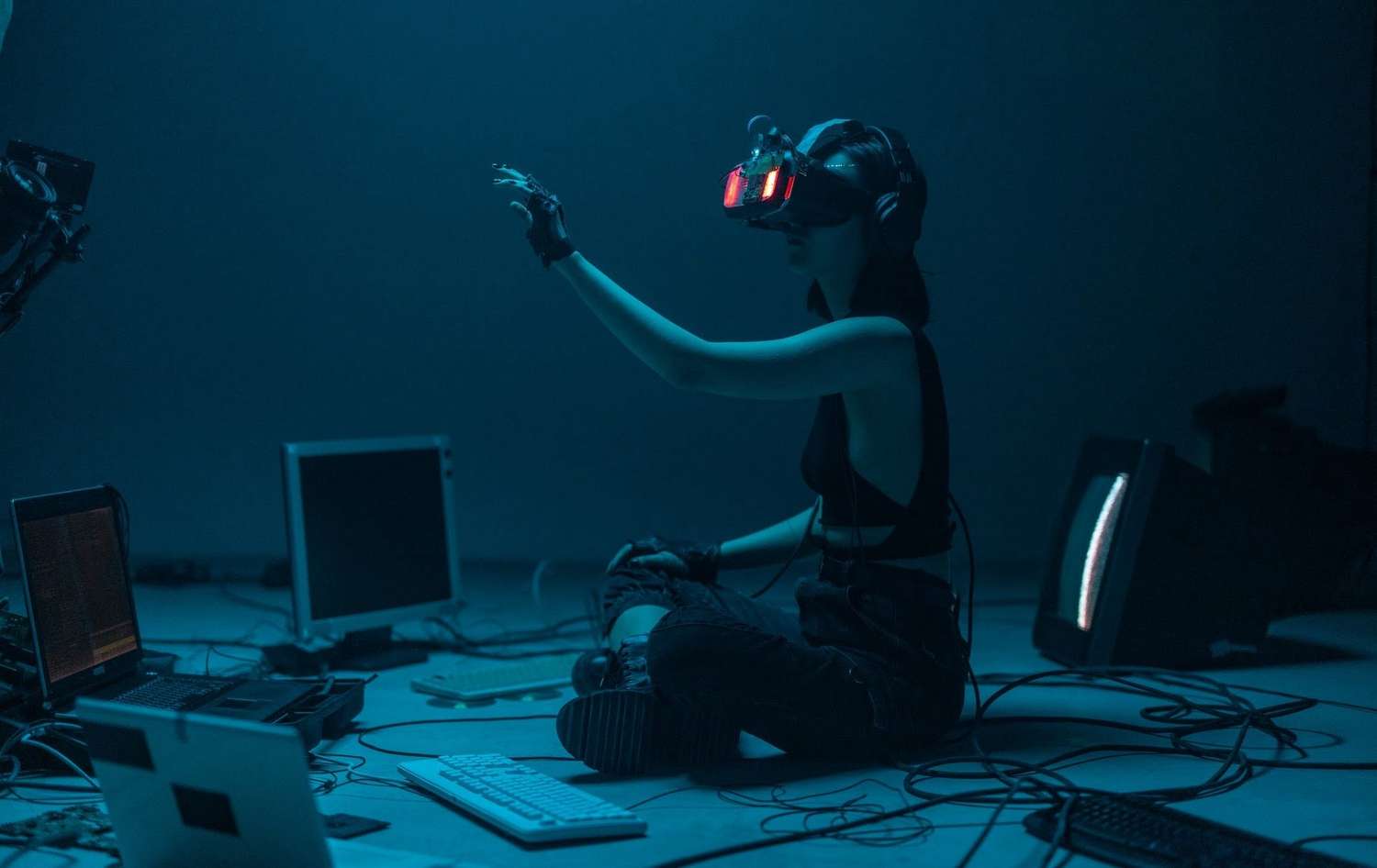 Beyond the Screen: Deconstructing the Psychological Impact of Unfiltered VR Immersion and Hyper-Realistic Character Fidelity in the 2025 Virtual Sphere
The technological landscape of Virtual Reality (VR) in 2025 is characterized by a rapid, often jarring, acceleration towards hyper-realism and deep sensory immersion. This convergence—driven by next-generation headsets and AI-powered rendering (Source: SIGGRAPH 2025 Real-Time Rendering Advancements)—is giving rise to extreme player perspectives and an unprecedented degree of fidelity in digital humans. This development is not merely a graphical upgrade; it precipitates a critical intersection of technology and psychology, raising profound questions about the nature of presence, empathy, and the boundaries of identity within the virtual world economy.
The high-value keywords in this analytical space—such as “psychological impact of VR,” “hyper-realistic avatars 2026,” “unfiltered VR immersion,” and “AI-driven NPC realism“—reflect the urgent demand for understanding the effects of this technological leap. This report dissects the current state of extreme VR immersion and the significance of high-fidelity character rendering for the future of interactive experiences.
The Spectrum of Extreme Immersion: Presence, Dissociation, and Empathy
Immersion in VR is now multidimensional, encompassing not just visual fidelity but also participatory, affective, and narrative depth (Source: ResearchGate, Immersive Experience and Virtual Reality, 2024). As technological barriers dissolve, the user experience moves towards an “unfiltered” state—where the brain processes the virtual environment with minimal distinction from reality.
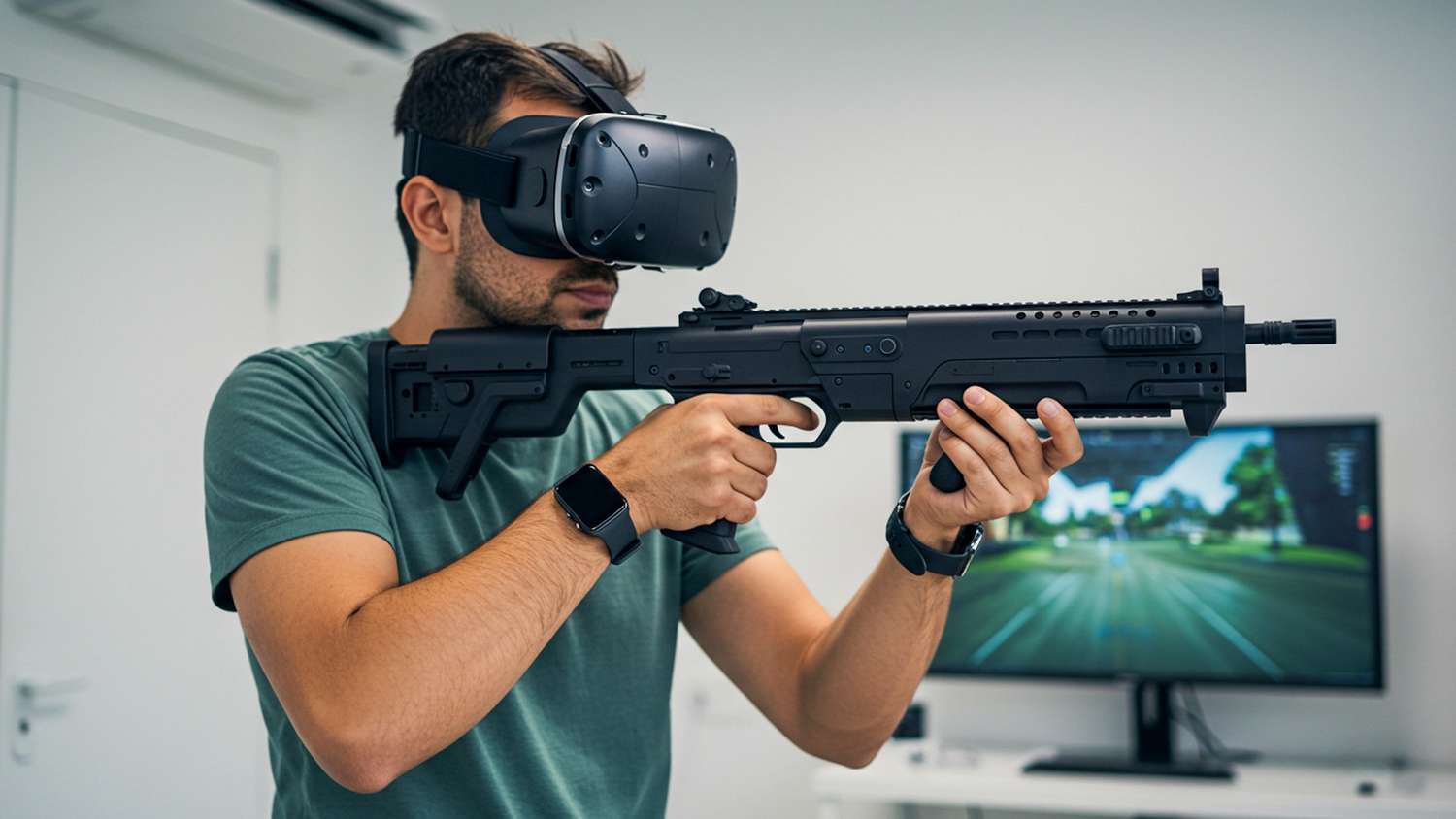
The Extreme Psychological Outcomes
- Heightened Presence and Embodiment: Modern VR hardware, featuring ultra-high-resolution microLED displays and advanced haptic systems, now induces an overwhelming sense of presence—the feeling of “being there.” This heightened state facilitates a stronger sense of embodiment, where users experience the virtual body as their own, significantly impacting self-location and agency (Source: Frontiers in Robotics and AI, 2017).
- The Dissociative Aftermath: Conversely, this intensity has amplified reports of mild dissociative symptoms after prolonged, high-immersion VR sessions. Users report feelings of “unreality,” sensory confusion, and difficulty reconnecting with the physical environment. Medical research continues to explore the link between sustained high-immersion VR use and the potential to trigger or exacerbate dissociative states in susceptible individuals (Source: Tech Monitor, Is VR Bad for Mental Health?).
- The Empathy Machine Debate: VR’s capacity to induce an extreme first-person perspective (1PP) has long positioned it as the “ultimate empathy machine.” However, empirical evidence remains complex. While VR can powerfully trigger emotional responses (e.g., in exposure therapy for phobias), its efficacy in building long-term, sustained empathy compared to traditional methods is still under rigorous scientific scrutiny. The visceral nature of VR can intensify both positive and negative emotional reactions, which is a critical consideration for VR content creators using emotional stimulation (Source: PLOS One, Building Long-Term Empathy, 2018).
Hyper-Realistic Fidelity: The AI-Driven Digital Human Revolution
The second pillar of this evolving VR landscape is the dramatic increase in character fidelity. Thanks to tools like Epic Games’ MetaHuman and advancements in Generative AI, creating convincing, emotive, and detailed digital human characters and AI-driven NPCs (Non-Player Characters) is now quicker and more accessible than ever before, pushing the boundaries of realism for virtual avatars.
The Impact of Advanced Character Fidelity
- The Uncanny Valley Challenge: As character models approach photorealism, the risk of falling into the “Uncanny Valley”—where near-perfect realism triggers feelings of revulsion—becomes a primary design obstacle. Modern rendering techniques, particularly new methods for strand-based hair and fur and sophisticated subsurface scattering (featured at SIGGRAPH 2025), are being deployed to seamlessly bridge this gap.
- AI-Driven Interaction: The realism is now functional, not just visual. AI-driven NPCs use deep-learning models to analyze player behavior, adapt dialogue, and exhibit realistic emotional expressions and body language in real-time. This dynamic, adaptive behavior, often searched under “AI character interaction VR,” significantly elevates the sense of presence, particularly in social VR and complex narrative-driven experiences. The seamless, adaptive nature of these interactions is a key element of the current virtual social revolution (Source: Knick Global, AR/VR Gaming 2025).
- Identity and Representation: The ability to craft hyper-realistic avatars for social VR has profound implications for user identity. Users can inhabit virtual bodies with unprecedented detail, potentially impacting self-perception and encouraging the exploration of identity. However, this also raises ethical questions regarding the potential for identity confusion and detachment from one’s physical self in extreme cases of prolonged use (Source: 1Ansah Technologies, Psychological Effects of VR).
Strategic Outlook: Managing the Unfiltered Experience
The future of VR is inevitably hyper-realistic and deeply immersive. For content creators and platform providers, the strategic focus must shift from merely achieving graphical perfection to managing the psychological fallout of the unfiltered experience.
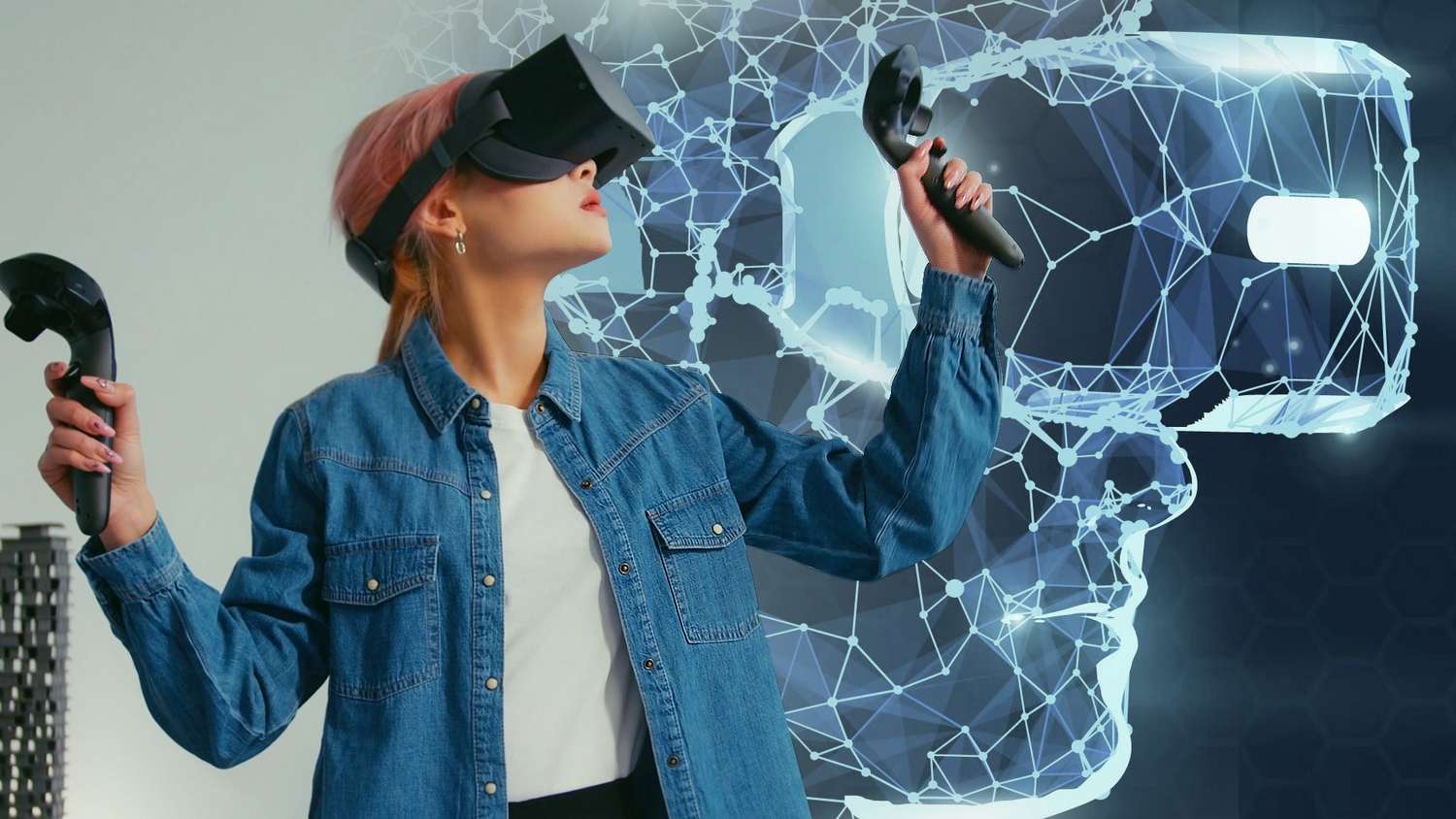
Key Strategic Focus Areas for 2026:
- Mitigating Dissociation Risk: Implementing built-in Immersion Control mechanisms that gently ease users back into reality after prolonged sessions, potentially through gradual shifts in field-of-view or reduced visual fidelity.
- Ethical AI for NPCs: Developing strict ethical guidelines for AI-driven NPC behavior to prevent overly manipulative or psychologically distressing interactions that could be amplified by the high degree of character fidelity.
- Haptic Integration: The widespread adoption of advanced haptics (e.g., gloves that simulate texture and resistance) will further blur the line between the virtual and physical, demanding that game designers carefully balance sensory input to avoid overload while maximizing sensory realism.
The technological milestones achieved in 2025 mean that VR is no longer a tool for merely simulating reality, but a powerful medium for creating alternative, intensely affecting existence. The industry’s next challenge is managing the psychological impact of this newfound, unfiltered power.