
Unveiling Lost Love Lines: How The Witcher 3’s Iconic Romances Almost Took a Drastically Different Path










Popular Now
 Schedule I
 Garena Free Fire: Kalahari
 The Legend of Zelda
 FIFA 23
 Fall Guys
 Call of Duty
 Free Fire
 Valorant
 Fortnite
 Sonic the Hedgehog™ Classic
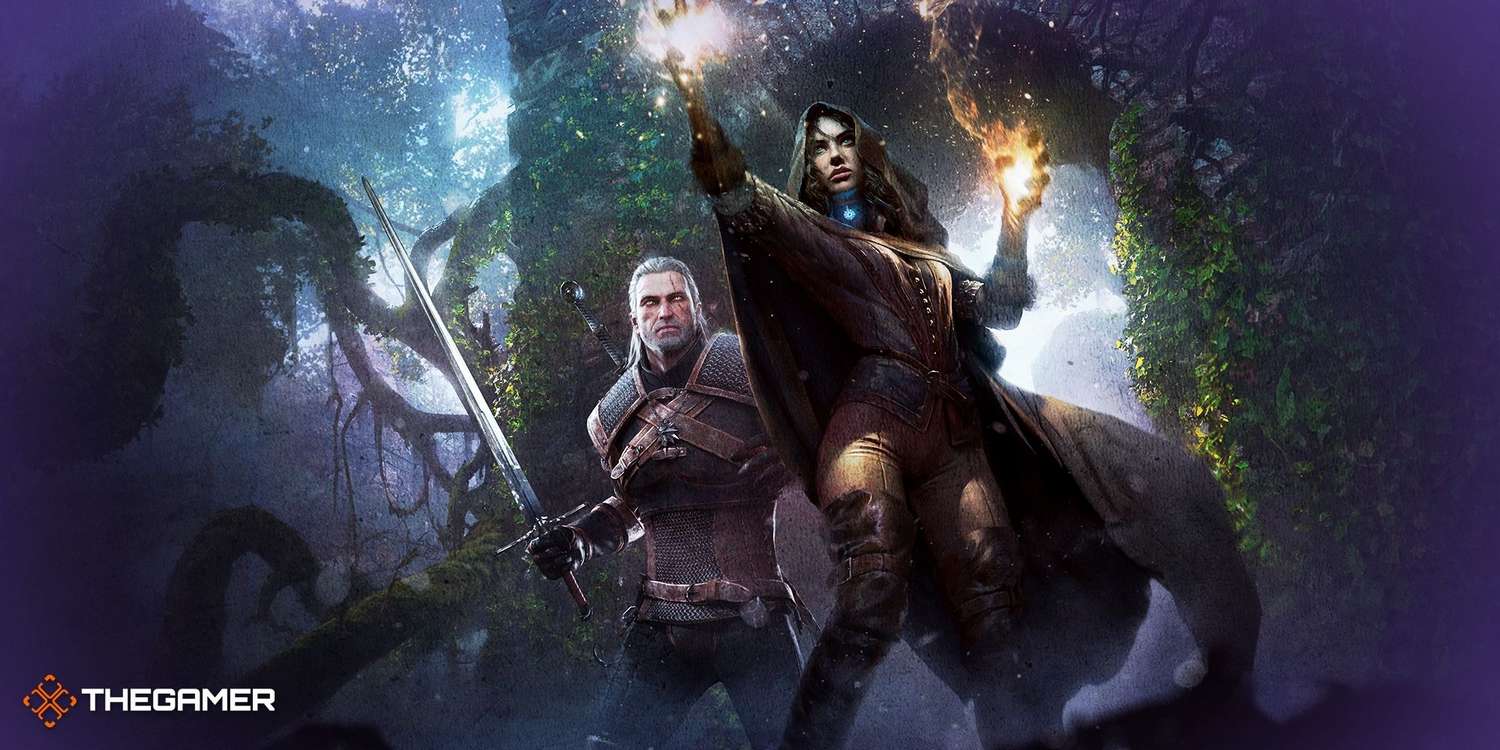 The Witcher 3: Wild Hunt stands as a titan in the realm of action role-playing games, lauded for its expansive open world, compelling narrative, and, notably, its deeply resonant character relationships. Among these, the intricate romance options, particularly the central dilemma between Yennefer of Vengerberg and Triss Merigold, have become legendary, shaping player experiences and generating countless discussions across the gaming community. However, recent insights into the game’s development reveal that these pivotal romantic arcs were not always set in stone. Early design concepts show a fascinating glimpse into a Witcher 3 where Geralt’s love life could have unfolded in a strikingly different manner, offering a unique perspective on CD Projekt Red’s meticulous approach to narrative design and player agency.
The current system, celebrated for its emotional depth and consequential choices, allows players to steer Geralt into a committed relationship with either Yennefer, his fated love, or Triss, his steadfast companion. The decision carries significant weight, influencing narrative branches and endgame scenarios, providing a powerful sense of player impact that defines the best RPG experiences. This structure, seemingly integral to the game’s identity, was the result of extensive refinement and critical evaluation during the development cycle, a testament to CD Projekt Red’s commitment to delivering a polished and engaging story. For fans of high-fidelity graphics and immersive storytelling, these choices often become the core of their personal journey through the Northern Realms.
The Initial Concept: A Broader, Less Defined Horizon
According to leaked developer notes and retrospective interviews from former team members, initial proposals for Geralt’s romantic entanglements were far less focused. Rather than the concentrated Yennefer/Triss dynamic, early iterations explored a more expansive, almost ‘sandbox’ approach to relationships. This included:
- Numerous Minor Dalliances: The game might have featured a much larger roster of potential, albeit less significant, romantic encounters with various non-player characters across the vast world. These relationships would have been more transactional or fleeting, offering less narrative depth and lacking the long-term consequences seen in the final product.
- Reputation-Based Romance: Some concepts explored a system where Geralt’s overall reputation and choices in quests influenced which characters would even be open to romance. While elements of this remain in the form of quest prerequisites, the initial idea was more pervasive, potentially locking players out of certain relationships entirely based on their public image, rather than specific romantic choices. This would have added another layer of complexity to the open-world RPG mechanics.
- Dynamic Relationship Degradation: There were discussions about a more fluid relationship system where player actions, or inaction, could cause existing romantic bonds to degrade over time, similar to some life simulation games. This could have introduced a constant management element, adding a layer of strategic thinking to personal relationships rather than the more narrative-driven choices ultimately implemented.
These early ideas, while intriguing from a game design perspective, posed significant challenges. The sheer volume of narrative branches and emotional impact required for dozens of minor relationships would have been a monumental task, potentially diluting the impact of any single relationship and overwhelming the player with too many non-consequential choices. Moreover, maintaining emotional consistency and depth across such a broad spectrum would have been incredibly difficult for the narrative team, impacting the game’s overall coherence and emotional resonance.
 Refining the Core: Why Less Became More
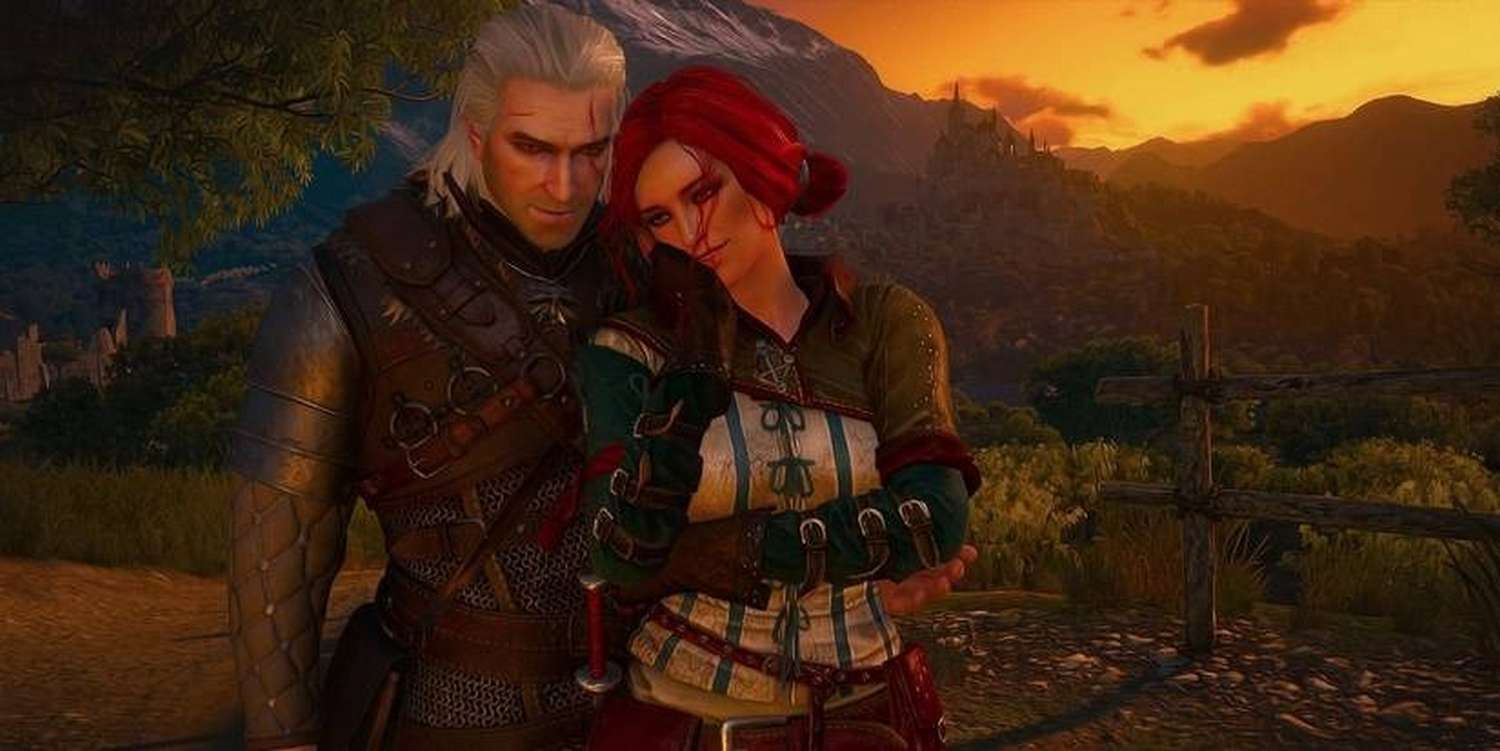
The decision to distill Geralt’s primary romantic options down to Yennefer and Triss was a strategic one, born from a desire to maximize emotional investment and narrative impact. CD Projekt Red understood that focusing resources on two deeply intertwined, well-developed relationships would yield a more profound and memorable experience than scattering development efforts across numerous shallow interactions. This approach aligns with the philosophy of many successful game reviews, which often highlight the importance of depth in character development.
By concentrating on the Yennefer-Triss dichotomy, the developers were able to:
- Enhance Character Depth: Both Yennefer and Triss are incredibly complex characters with rich backstories, distinct personalities, and genuine connections to Geralt. Focusing on them allowed for dedicated quest lines, extensive dialogue, and deeply emotional cutscenes that explored their individual relationships with Geralt in intricate detail. This approach significantly elevated the character development within the game.
- Increase Player Agency and Consequence: The weight of choosing between two well-established, beloved characters provided players with a truly difficult and impactful decision. This choice reverberates through the narrative, affecting dialogue, character reactions, and even the final moments of the story, giving players a strong sense of ownership over Geralt’s destiny. The feeling of ‘player agency‘ is a critical metric for a satisfying RPG.
- Streamline Development: While still incredibly complex, managing two primary romance arcs was more feasible than dozens. This allowed the narrative, quest, and art teams to pour their collective energy into perfecting these two paths, ensuring a high level of quality and emotional payoff for players. This efficiency in game development contributed to the overall polish of the title.
- Reflect the Source Material: The focus on Yennefer and Triss is deeply rooted in Andrzej Sapkowski’s original novels, where their relationships with Geralt form the emotional core of his saga. Adhering to this established lore, while still allowing for player choice, strengthened the game’s connection to its literary origins and pleased longtime fans of the series.
The design choice ultimately cemented The Witcher 3’s reputation for superior storytelling. While some players might have enjoyed the idea of more diverse romantic options, the quality and narrative weight of the implemented choices far surpassed what a broader, less focused system could have offered.
 The Enduring Legacy and Impact on Gaming Industry Insights
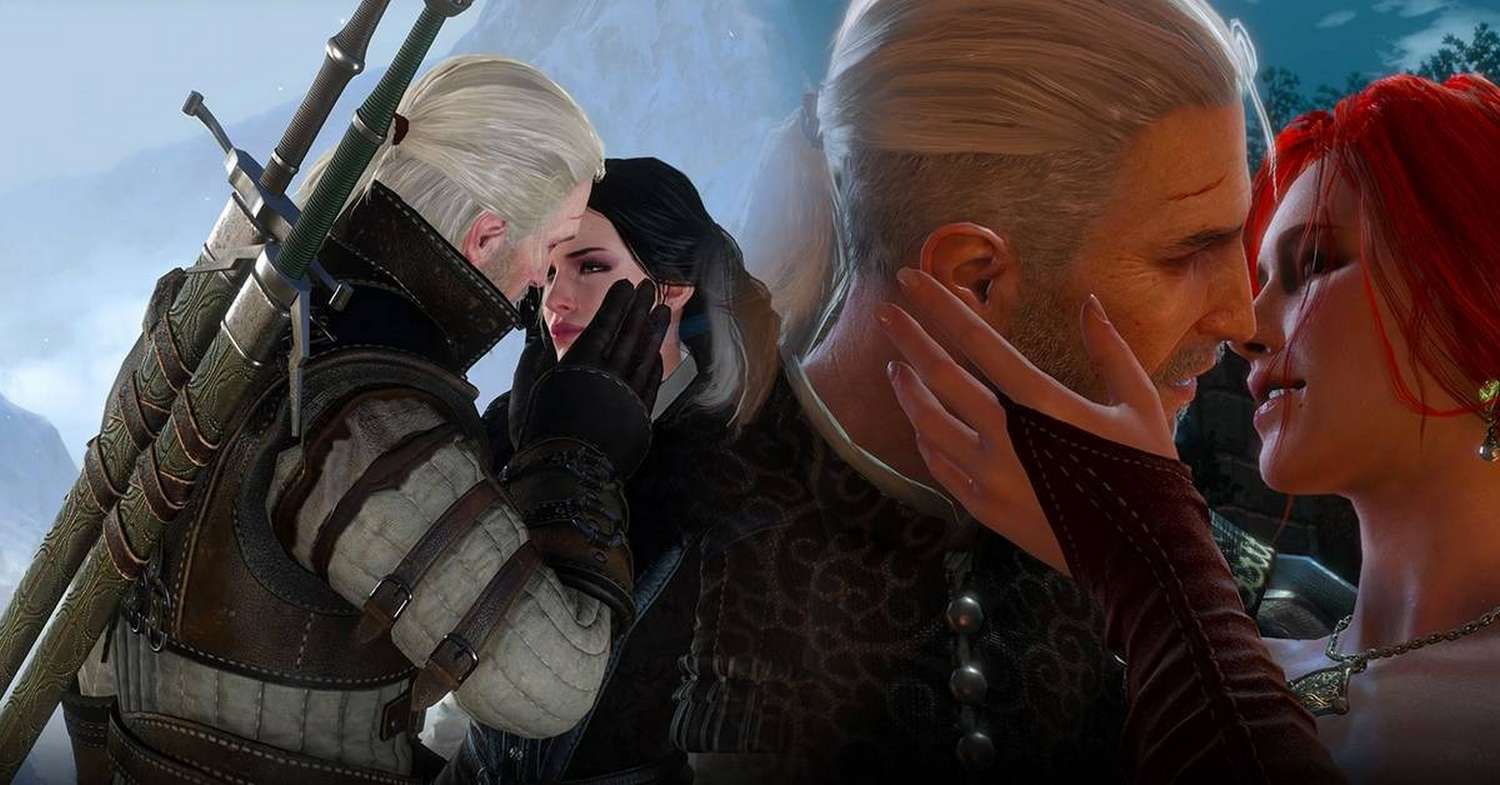
The success of The Witcher 3’s romance system has had a significant ripple effect across the gaming industry. Developers of subsequent RPGs have undoubtedly studied CD Projekt Red’s approach, learning valuable lessons about balancing player freedom with narrative integrity. The enduring discussions and debates among fans regarding ‘Team Yennefer’ vs. ‘Team Triss’ are a testament to the system’s effectiveness in fostering deep emotional connections and passionate engagement.
This case study in game development highlights a crucial insight: sometimes, constraining player choice in specific areas can lead to a more profound and memorable experience overall. By limiting the primary romantic options, CD Projekt Red was able to craft relationships of unparalleled depth and consequence, elevating Geralt’s love interests from simple side attractions to fundamental pillars of the game’s emotional narrative. This deliberate design choice ensured that every interaction, every decision, and every heartfelt moment carried the full weight of the player’s investment, making The Witcher 3 not just a game, but a truly personal journey into the heart of its captivating world.
Ultimately, while the ‘what ifs’ of an alternate Witcher 3 romance system are fascinating to ponder, the path chosen by CD Projekt Red delivered an experience that resonated globally, setting a high bar for emotional narrative in open-world games and proving that strategic design limitations can often unlock greater creative freedom and deeper player immersion. For any enthusiast of intricate game mechanics and compelling storylines, understanding these developmental decisions offers valuable context to the masterpiece we received.